

What would Grandma and Grandpa have wanted?
These discussions should not begin and end with a developer’s offer. Identifying family goals now gives the family something to plan around.
Read MoreBy Paul Hansen, Junior Paralegal, and Elizabeth Fisher, Junior Associate
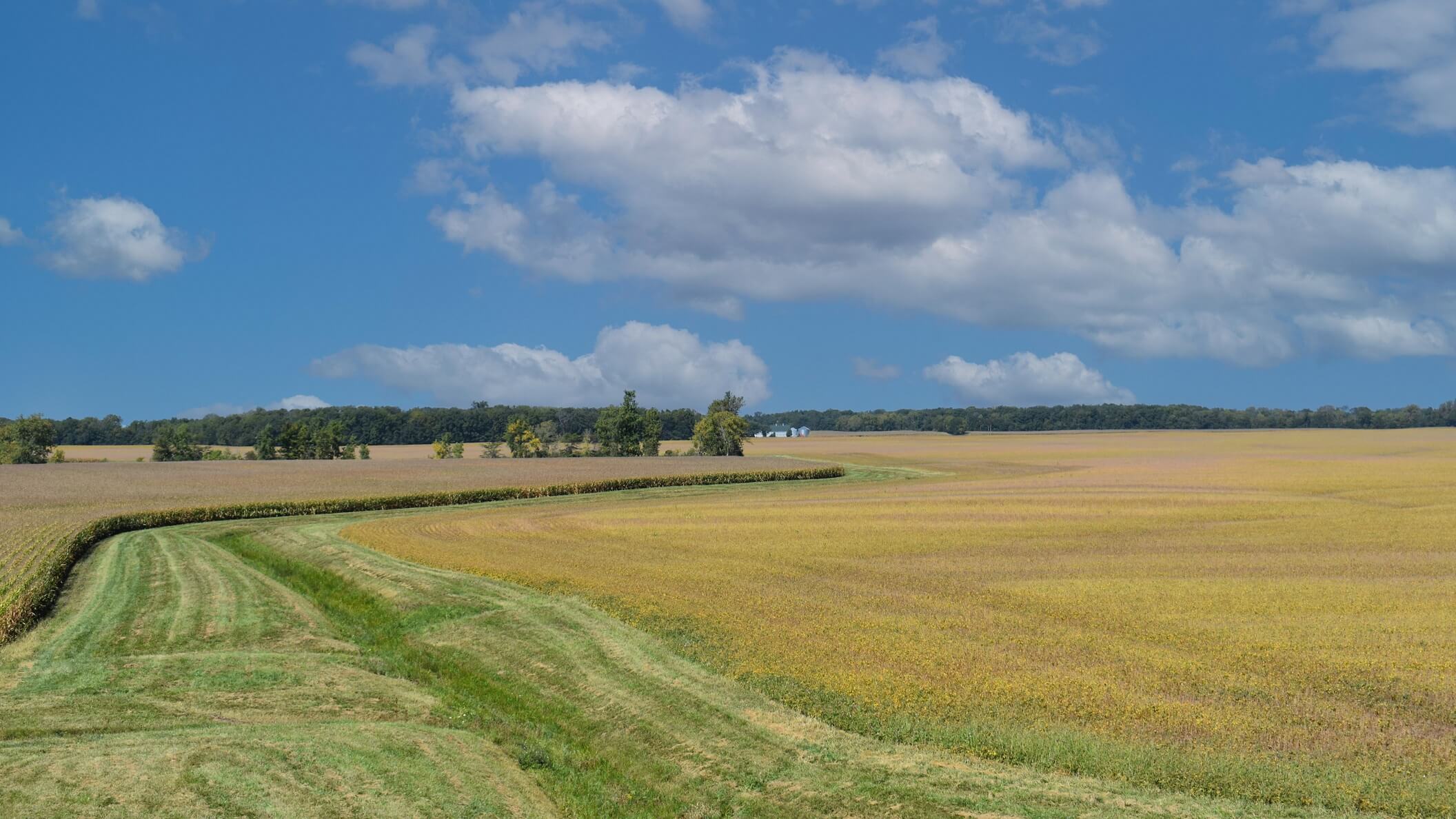
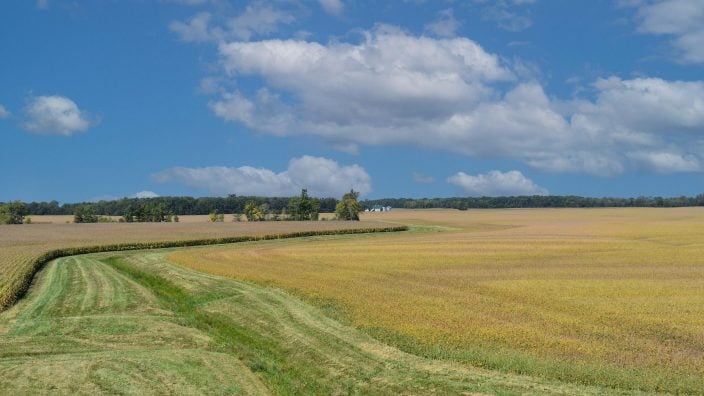
Few things are more personal than preserving a farming legacy. It’s one of the top goals identified by farmers and landowners. Planners encounter all types of situations when talking with them: from those that hope future generations will display the Century Farm or Bicentennial Farm sign to those who simply endure each day, unsure of whether a future operation might exist.
For multigenerational farms, land is the physical representation of the operation’s survival. For new farmers, it is the asset you want to acquire and pass on someday. When business is good, this goal remains strong. However, when farms fall under hard times, or after an unplanned passing, this goal is confronted. With tight finances, land prices rising across Ohio, and pressure from industrial, commercial, and residential development, even the most anti-sale landowners find themselves crunching the numbers.
Across generations, a sense of pride comes with continuing the legacy of land. However, honoring specific requests from a senior generation is difficult when circumstances change. The grandparents who insisted that land never be sold may not have anticipated the situation some farms face today. Sometimes the next generation can rely on guidance from grandparents or parents or specific plan solutions. In other situations, a family is left to make a tough decision on their own.
In this case, a discussion about acreage may evolve into a discussion about commitment to a paramount goal. A proposal to sell can sound counterintuitive to everything the family has built, while a refusal to sell can be a missed opportunity to pay down debt or pick up more land through a tax-deferred exchange. Occasionally, a willingness to sell is misconstrued as an abandonment of the farm’s culture. Careful communication and planning among family members is needed to refute that position.
In the end, what does keeping the land require of your family? At a minimum, it takes caretakers across generations who will assume responsibility for its preservation. The farming child who takes on that responsibility needs a meaningful voice in the decision. The real question the parents or grandparents need to decide is balancing the opinions of a future farmer and the opinions of a future land seller. A fair plan on paper weighs very differently on the people expected to preserve the legacy of the land.
For some families, keeping all land is worth the sacrifice. They understand the tradeoffs and choose to confront them together. For others, preserving every acre comes at a cost the family cannot reasonably bear, but it’s a necessary evil that will position the farm for long-term survival. Sometimes a sale is selected and managing the financial and family consequences take center stage.
These discussions should not begin and end with a developer’s offer. Identifying family goals now gives the family something to plan around. For mom, dad, grandma, and grandpa, this is an opportunity to leave clearer instructions on why the land matters, what you hope it will provide, and how to deal with challenging decisions. But, discuss the circumstances when you want your family to reconsider the plan and make sure your documents reflect those conversations.
A Century Farm or Bicentennial Farm sign in the front yard is a powerful symbol of everything the family has endured in the past. Behind those signs are people who made difficult decisions to give the next generation a foundation to build upon. The lessons grandma and grandpa can leave is an understanding of the family’s heritage and a workable plan that helps carry it forward under different situations.
Wright & Moore Law Co., LPA has a rich heritage in Ohio agriculture. Since 1988, our firm has proudly assisted farmers, rural residents, and landowners from all over the state with their farm succession planning and agricultural legal needs. We would be happy to discuss your family goals and how to meet them. To learn more about Wright & Moore or schedule a meeting, call 740-990-0750 or visit OhioFarmLaw.com.


These discussions should not begin and end with a developer’s offer. Identifying family goals now gives the family something to plan around.
Read More

Ryan Conklin of Wright & Moore Law continues our conversations on land transactions, discussing easements and what landowners should know before making a decision.
Read More
Conflict among family members and possible heirs threatens the farm’s survival. Possible solutions depend on the dynamics of your farm and your financial situation.
Read More
A lot of factors and personal goals can go into this decision, which we suggest discussing with your farm succession team.
Read More
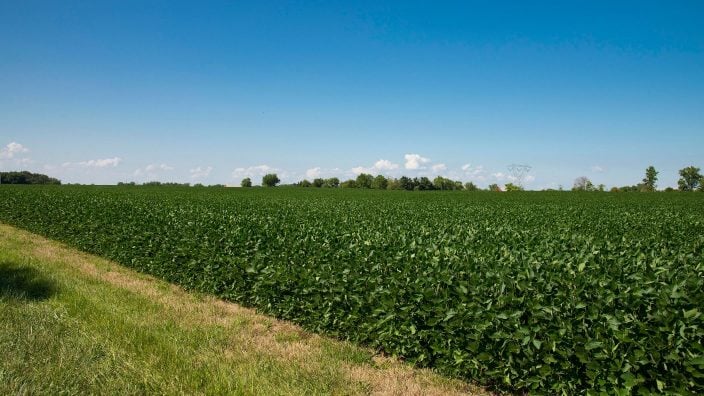
In 2022, Ohio passed House Bill 397 to give farmers more security by standardizing farm lease terminations. The law helps, but only a comprehensive written lease ensures your rights when circumstances shift.
Read More

Get a 2025 estate tax outlook and find out what the farm income outlook for this year on this Ohio Farm Bureau Podcast.
Read More
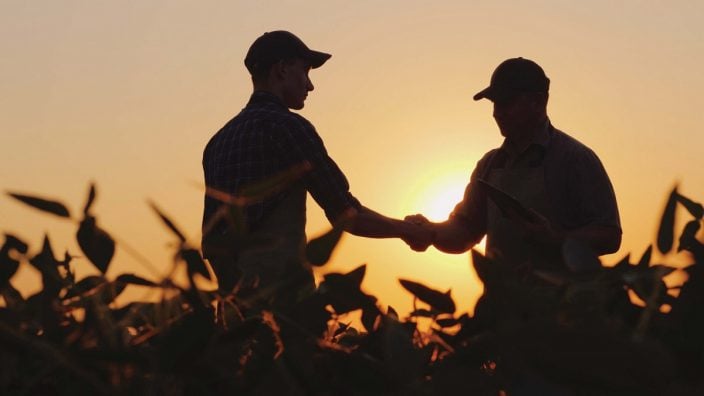
An attorney from Wright and Moore discusses what he thinks is missing from farmland lease termination law and what members voted to do about it.
Read More
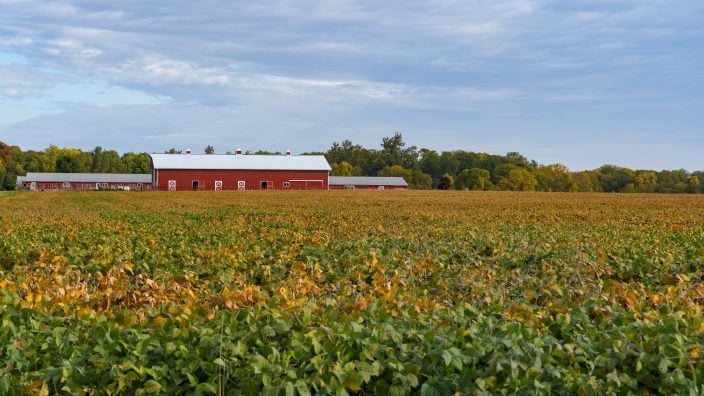
To ensure that your farm and family receive competent guidance, proactive scheduling will be critical in the early part of 2025.
Read More

Family matters can get messy, especially when a new member joins that family. How are those details ironed out and why is the process so important? Learn more about that and Ohio electricity’s future.
Read More
Making legal plans before a new farm partnership of any kind starts is the topic of discussion with Wright and Moore for this Ohio Farm Bureau Podcast.
Read More