

Field Day Podcast with Jordan Hoewischer: Ep. 46 Jay Martin
Jay Martin discusses his Pilot Watershed Project in the Western Lake Erie Basin. He is a professor of Ecological Engineering at The Ohio State University.
Read MoreOhio Farm Bureau Federation applauds the results of the Ohio Agriculture Conservation Initiative’s recently released 2026 Assessment Survey Report, which provides a data-driven look at conservation practices across the Western Lake Erie Basin and emphasizes farmers are doing their part in water quality.
The report highlights measurable progress in the adoption of conservation practices and nutrient management. According to the assessment, 68% of surveyed fields are enrolled in cost-share conservation programs, including 62% in H2Ohio, and nearly 64% utilize no-till or minimal tillage practices. The report also shows that 89% of those surveyed utilize fertilizer retailers and crop consultants to create fertilizer recommendations.
The survey was conducted by OACI in 2025 and is the fourth in a series of survey assessments across the state to determine what practices Ohio farmers are implementing for water quality and nutrient management. The first three surveys covered the Lower Maumee watershed, the Sandusky watershed and the Upper Scioto watershed. The fifth will cover the Auglaize River watershed and be released later this spring.
“The OACI assessment of the Western Lake Erie Basin counties gives us a baseline of conservation efforts in a crucial water quality area,” said Jordan Hoewischer, director of water quality and research for Ohio Farm Bureau. “The information gained in these assessments is absolutely vital, as it shines a light on where programs are increasing conservation practices and where additional attention is needed. Our farmers have been doing their part to improve water quality, and this assessment shows they are adding new practices to their operations year-over-year.”
OFBF is a founding member of OACI and works with partners across agriculture, conservation, environmental and research communities to recognize farmers for advancing methods that improve water quality in Ohio and increase the use of best management practices on farms.
This is a statement for use by journalists. Questions should be directed to Ryan Matthews, 614-246-8210 or [email protected].


Jay Martin discusses his Pilot Watershed Project in the Western Lake Erie Basin. He is a professor of Ecological Engineering at The Ohio State University.
Read More
Chris Winslow from Ohio Sea Grant and Stone Laboratory discusses the status of Lake Erie, legacy phosphorus and other topics as well.
Read More
Aaron Wilson from Ohio State University and the Byrd Polar and Climate Research Center talks about short and long-term weather and climate trends and how the super El Niño will affect our region.
Read More
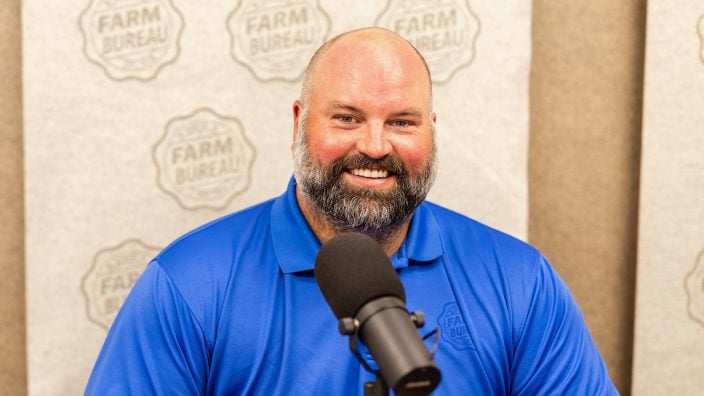
Jordan Howeischer, Ohio Farm Bureau director of water quality and research, provides some history on water quality in Ohio and what the industry has accomplished since the 2014 Toledo Water shutdown.
Read More

In response to an editorial published in Toledo Blade, Ohio Farm Bureau sent a letter sharing the decades-long commitment to conservation by Ohio farmers.
Read More
The report provides insight into measurable progress in conservation practices and Ohio farmers’ continued commitment to water quality.
Read More
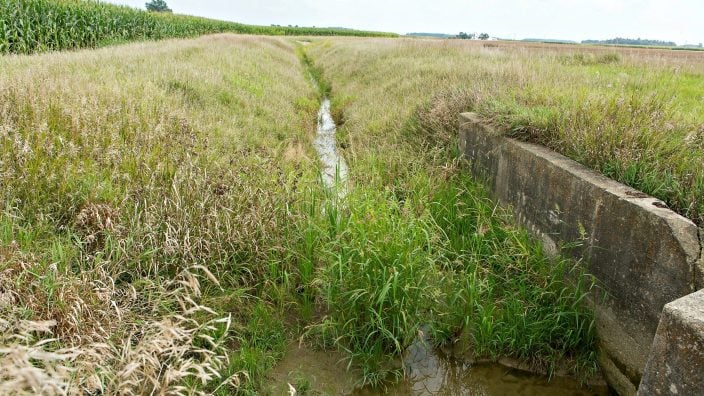
The report provides a data-driven look at conservation practices across the Western Lake Erie Basin and emphasizes farmers are doing their part in water quality.
Read More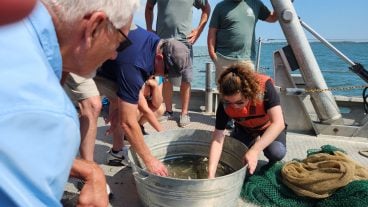
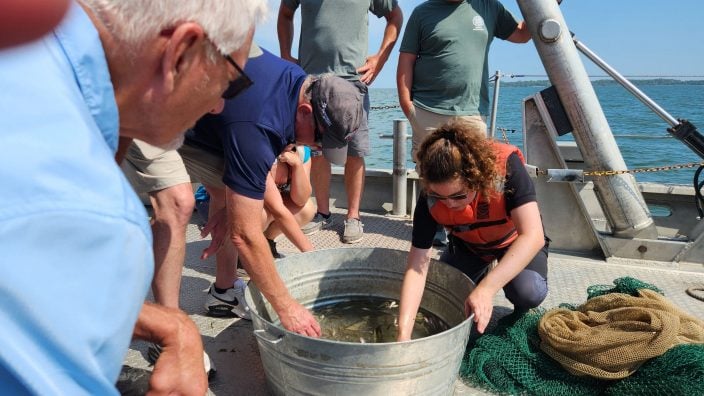
Jay Martin of Ohio State and Jordan Hoewischer join the podcast to break down the recent research and advocacy efforts helping drive that progress.
Read More
Ohio EPA has recently proposed allowing data centers to obtain ‘general’ National Pollutant Discharge Elimination System (NPDES) permits for their stormwater/wastewater discharges.
Read More
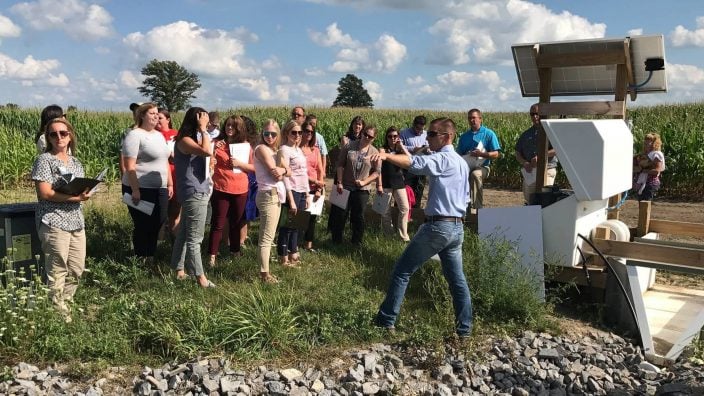
The network was established in fall 2015 on farms in Hardin and Hancock counties. Nearly 200 different tours and events took place on the three farms totaling nearly 4,000 visitors in its 10-year span.
Read More