






Montgomery County Farm Bureau donates locally produced chicken to CAMP
CAMP serves residents in the Valley View and New Lebanon school districts, ensuring families going through tough times have access to nutritious food.
Read MoreUltra-pasteurization is a more intense process than regular pasteurization and allows milk to have a longer shelf-life. If you don’t mind the higher cost and if your milk tends to spoil before you can finish it, it might be an option for you to consider. (Although, nutritionists might say that if you just started drinking more milk, you wouldn’t have to worry about the milk spoiling, now would you?)
“Pasteurization” means that milk is packaged under sanitary conditions after being heated to a minimum of 161 degrees for at least 15 seconds, or 145 degrees F for at least 30 minutes. Either heating option kills most bacteria; the type that survive aren’t considered harmful but can spoil milk after a period of time. If pasteurized milk is kept properly refrigerated, it can last anywhere from 12 to 21 days after processing; you can generally count on milk to remain fresh from two to five days after the sell-by date on the carton. The colder the storage conditions, the longer milk will last.
“Ultra-pasteurization” means that milk is heated to a minimum of 280 degrees F for at least two seconds. Although the heating period is much shorter than what’s used for regular pasteurization, the high heat used in the process is much more lethal to bacteria. Packaging conditions for ultra-pasteurized milk are also more stringent — practically sterile. In fact, ultra-pasteurized milk would be considered a sterile product if it was canned or otherwise hermetically sealed. All of this means that, when properly refrigerated, ultra-pasteurized milk can last from 30 to 90 days after processing and before the container is opened. After opening, the milk could become contaminated with spoilage bacteria, but you can generally count on it to remain fresh for at least seven to 10 days after the container is opened.
Some people say they think ultra-pasteurized milk has a different flavor, more “cooked” than regular milk, but others don’t notice a difference.
Chow Line is a service of Ohio State University Extension and the Ohio Agricultural Research and Development Center.


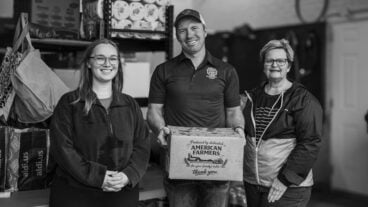
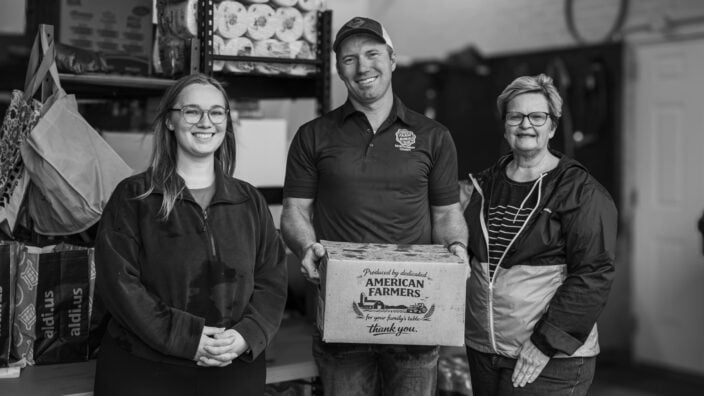
CAMP serves residents in the Valley View and New Lebanon school districts, ensuring families going through tough times have access to nutritious food.
Read More

The theme of the November/December issue of Our Ohio magazine is health, safety and risk, and we explore all three in various ways.
Read More

Farm safety and risk management are deeply interconnected, forming the foundation of a resilient and sustainable operation.
Read More
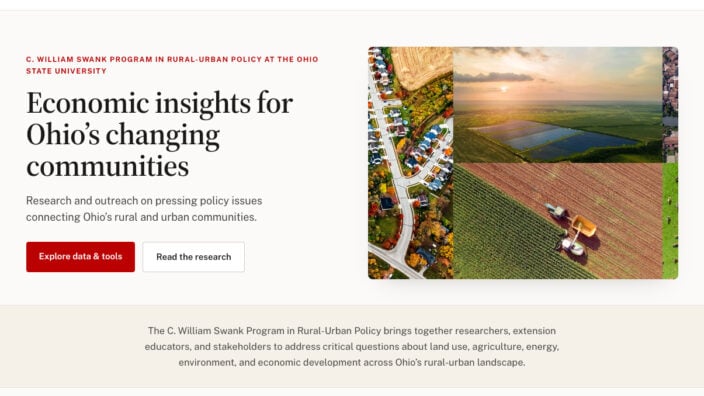
We cannot predict every challenge or opportunity that comes to our farmgate, but trusted research, practical resources and better information can help us prepare for whatever comes next.
Read More
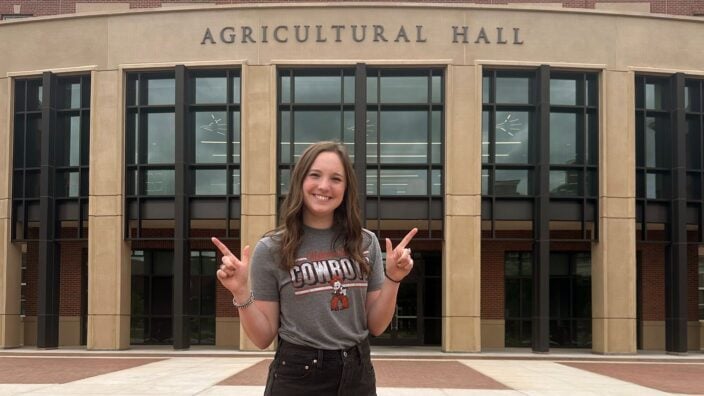
Ohio Farm Bureau Foundation Ambassadors Scholarship recipient Josie Jennings of Clark County plans to study agricultural law to help farm families preserve their land and legacies.
Read More
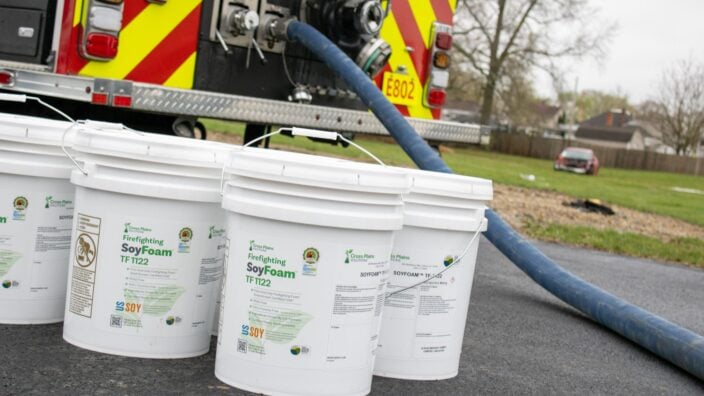
SoyFoam works like traditional firefighting foam that quickly smothers a fire. The difference is the absence of PFAS substances.
Read More