



Applications for Ohio Farm Bureau Health Plans now available
Members have three ways to apply: contacting a certified agent, calling 833-468-4280 or visiting ohiofarmbureauhealthplans.org.
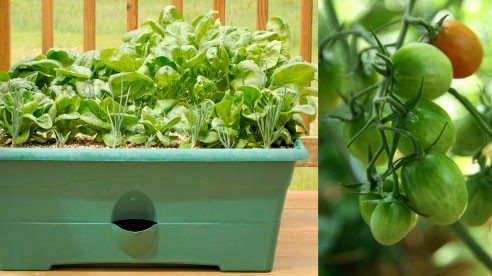
Read MoreDon’t let limited yard space keep you from growing vegetables-as long as there is at least five hours of sunshine available in your chosen spot, be it a patio, doorstep or windowsill, there is no reason why you can’t enjoy your own harvest. With the right container, and a little bit of time devoted to watering and fertilizing, wonderful, homegrown vegetables can grace your dining room table this season. Containers are also great for gardeners who are unable to bend down to the ground; a container raises the plant by at least a foot, depending on its height, enabling someone to sit or stand to tend to the plant and its yield.
There are some tips and tricks to keep in mind. Many vegetables need more soil than you would think. For instance, a single tomato needs at least 5 gallons of soil, which is about a 12-inch pot, but a bushel basket is even better, as it holds about 8 ½ gallons of soil, approximately the equivalent of a 15-inch pot. Containers need to be large to provide not only a space for root growth but also to allow for more water storage in the soil. Keeping the soil at a relatively constant moisture level will help with production. The container needs to have holes in the bottom allowing for excess water to drain (as we know, wet “feet” aren’t any fun). “Soil-less” potting mix works best in containers. These mixes are lightweight with adequate, even water retention, allowing water to drain rather quickly and leaving plenty of room for air and root growth.
Watering is the most important part of container gardening. Keeping the soil evenly moist promotes good plant health and production. The type of plants you use, the size of the container, the amount of soil, and weather conditions will determine how much and when you’ll need to water, possibly as often as every day. Always finger check the soil to make sure it needs water.
The demand for plant breeders to develop plants that work great in containers continues to grow and the availability of compact plants with good yields is increasing.
The following are some plant suggestions and corresponding container sizes for your gardens.
As always, read the plant tag or seed package. This will tell you how big a mature plant will become, determining if it is container-worthy by making sure the container and the space will allow it to grow correctly. Herbs are suited to containers-even wild and invasive mint can be controlled in a container. Lavender and rosemary like warm, well-drained soil and thrive in containers. This will be one of the only times you should limit the number of plants in the container. Remember: you are growing a crop not a display, though you may never see anything more pleasing to the eye than your own colorful vegetable container garden.
Barbara Arnold is green corps coordinator at Franklin Park Conservatory.
If you enjoyed this article, consider becoming a Farm Bureau member and you’ll receive ongoing access to information about your local food community, including seasonal recipes. Membership includes a free subscription to Our Ohio magazine. Learn more about other exclusive member benefits.


Members have three ways to apply: contacting a certified agent, calling 833-468-4280 or visiting ohiofarmbureauhealthplans.org.
Read More
The executive order waives state penalties and suspends discretionary enforcement related to the use of dyed diesel on public highways through Dec. 31, 2026.
Read More

Maggie Preston, Lincoln Deitrick and Denver Davis describe their role in agriculture, their Farm Bureau involvement and what it means to win their respective state awards.
Read More
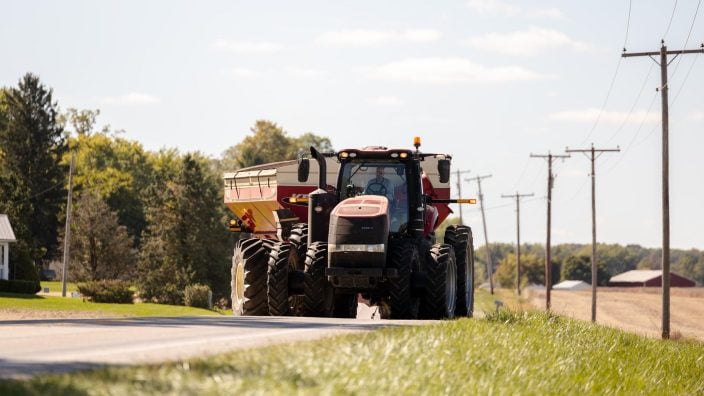
Associate General Counsel Leah Curtis breaks down the changes to Ohio’s fuel tax, recent guidance on dyed diesel and what farm families need to know.
Read More
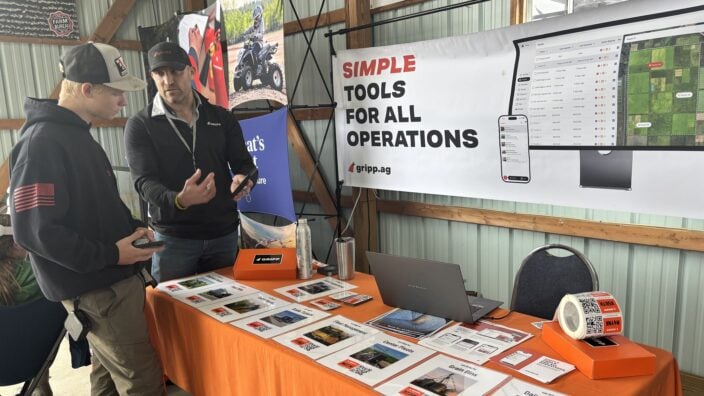
Gripp is launching a 60-day cohort in mid-January for Ohio Farm Bureau members, offering discounted access to its asset-tracking app.
Read More
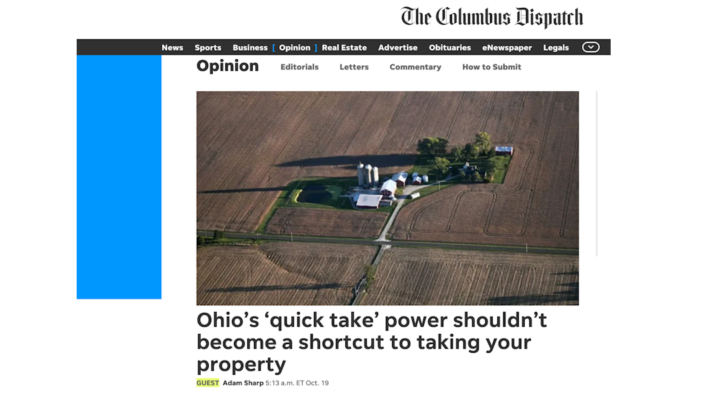
Ohio Farm Bureau recently published an op-ed in The Columbus Dispatch highlighting the importance of protecting private property rights as discussions continue around expanding eminent domain powers in Ohio.
Read More

These discussions should not begin and end with a developer’s offer. Identifying family goals now gives the family something to plan around.
Read More
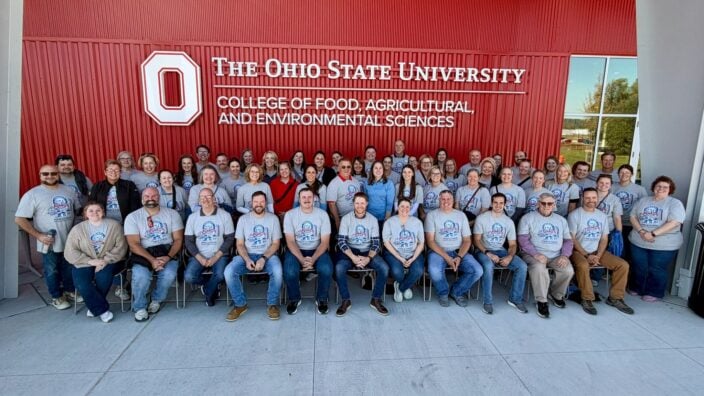
Ohio Farm Bureau joined leaders from across Ohio’s food and agriculture industry this week to pack 10,000 meals for central…
Read More
The administration recently issued an executive order easing restrictions on the use of tax-exempt dyed diesel fuel for on-road agricultural transportation.
Read More
Ohio Farm Bureau Associate General Counsel Leah Curtis explains how the eminent domain process works in Ohio, what ‘quick take’ means and when it can be used.
Read More