




Applications for Ohio Farm Bureau Health Plans now available
Members have three ways to apply: contacting a certified agent, calling 833-468-4280 or visiting ohiofarmbureauhealthplans.org.
Read MoreWhen we read about the enjoyable and educational experiences children had recently at 4-H Camp Whitewood, we should think about the long and continuing history the camp has had. I have experienced a part of that history.
When I was county agricultural agent in Ashtabula County in 1950 and the early 1960s, I also served on the camp board of directors. At that time, camp facilities were still somewhat primitive.
Camp is divided by a small creek called Grindstone Creek. Girls were, and still are, housed on one side and boys on the other side. A walking bridge was across Grindstone Creek for the girls to get from their side to the dining hall and other facilities in the main campus area. Since there were only three cabins on the girls’ side, each year we would put up four tents on concrete slabs for sleeping facilities for them. Some of the girls enjoyed sleeping in the tents while others preferred the cabins. Windows in the cabins were open with wooden shutters to close when it stormed.
Toilets on both the girls’ and the boys’ sides were the old-fashioned pit toilets with all the disadvantages that went with those primitive facilities. We knew something had to be done.
While the dining hall looks somewhat the same today, windows were just screens with big wooden shutters that were closed when the weather was bad. Wooden tables and benches were used at meal time. An assigned group of campers came in before meal time and set the tables for the meals.
Dishes were washed by hand and sterilized in large vats of hot water, then allowed to drip dry. Most camps followed the meals with a time of singing and announcements of activities to come. Cooks were hired to prepare the meals that were planned by Home Economics staff members.
As time went by, we knew we had to replace the old pit type toilets but we didn’t own enough land for leach beds and new, modern facilities. Land around camp was owned by Tom White, who was interested in 4-H and Extension programs. So in the late 1950s, we approached White about buying enough land to expand. I chaired a committee to talk with him about more property. He decided to sell us most of the land he owned in the Warner’s Hollow area of Windsor, which was about 225 acres.
Our Camp corporation had enough money for a reasonable down payment to buy the property. White agreed to carry a mortgage on the balance. Counties were assigned amounts to raise based on 4-H membership. Through the efforts of 4-H clubs and their advisors, the balance was paid off in four year’s time – a remarkable achievement.
As the years have gone by, many changes have been made. Flush toilets were built, the dining room and many cabins winterized, the craft hall enlarged and winterized, an improved water supply, a new recreation building and more.
One major change, mandated by EPA, was consolidating seven sewage treatment facilities into one. That involved a major expense of money that took some time to raise but there is now just one system that handles all the sewage from camp.
4-H Camp Whitewood is located in the beautiful and historic Warner’s Hollow area, it continues to be used by 4-H members, school groups and other groups for camping experiences. Much more could be written about the camp history as well as the history of the area.
Thanks to Tom White, now deceased, for selling the land to the Camp corporation those many years ago.
Submitted by John Parker an independent agricultural writer.


Members have three ways to apply: contacting a certified agent, calling 833-468-4280 or visiting ohiofarmbureauhealthplans.org.
Read More
The executive order waives state penalties and suspends discretionary enforcement related to the use of dyed diesel on public highways through Dec. 31, 2026.
Read More
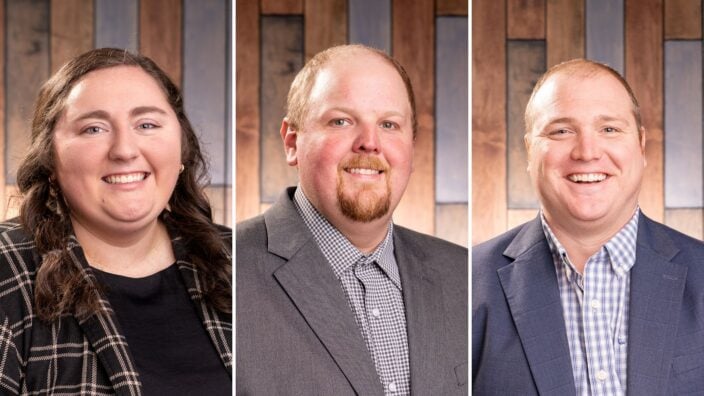
Maggie Preston, Lincoln Deitrick and Denver Davis describe their role in agriculture, their Farm Bureau involvement and what it means to win their respective state awards.
Read More
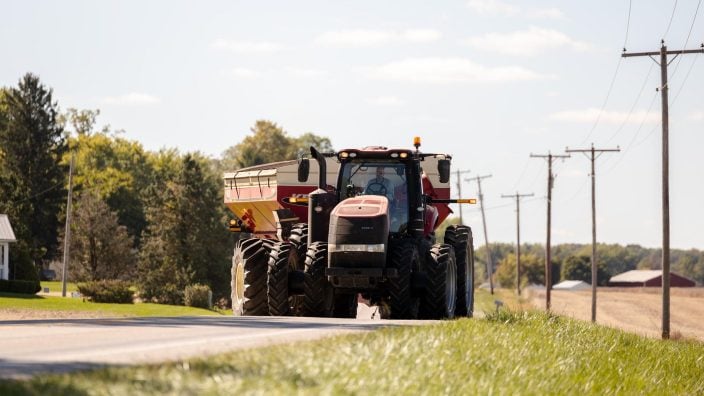
Associate General Counsel Leah Curtis breaks down the changes to Ohio’s fuel tax, recent guidance on dyed diesel and what farm families need to know.
Read More

Gripp is launching a 60-day cohort in mid-January for Ohio Farm Bureau members, offering discounted access to its asset-tracking app.
Read More
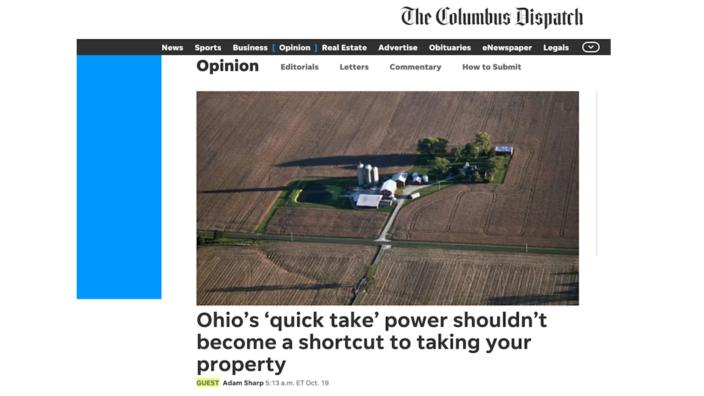
Ohio Farm Bureau recently published an op-ed in The Columbus Dispatch highlighting the importance of protecting private property rights as discussions continue around expanding eminent domain powers in Ohio.
Read More
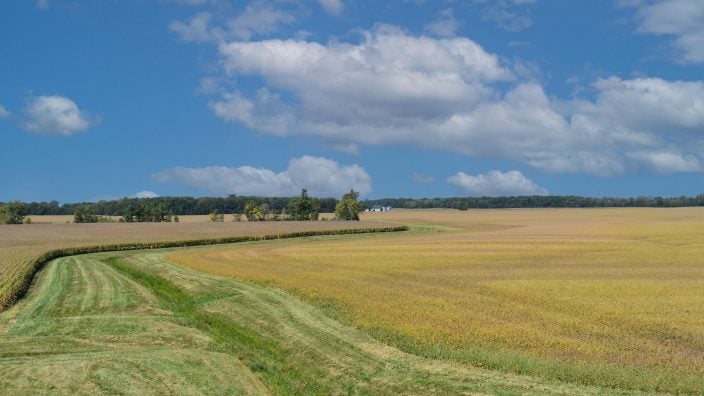
These discussions should not begin and end with a developer’s offer. Identifying family goals now gives the family something to plan around.
Read More
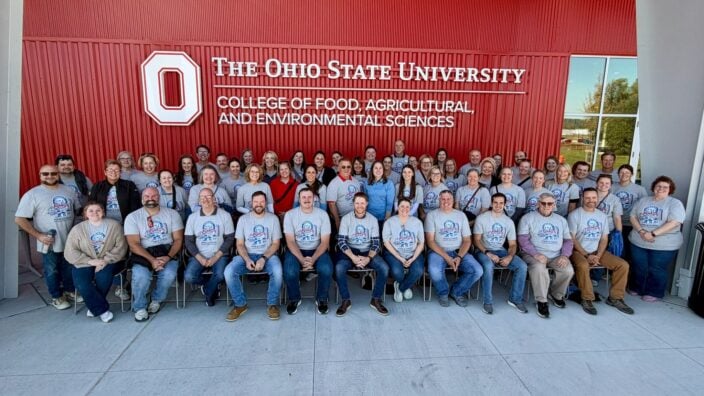
Ohio Farm Bureau joined leaders from across Ohio’s food and agriculture industry this week to pack 10,000 meals for central…
Read More

The administration recently issued an executive order easing restrictions on the use of tax-exempt dyed diesel fuel for on-road agricultural transportation.
Read More
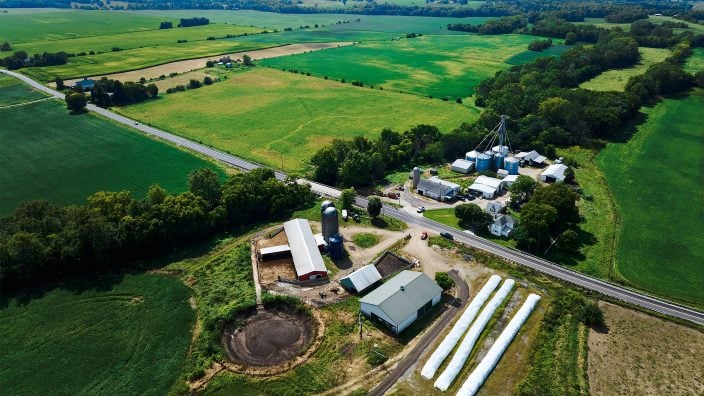
Ohio Farm Bureau Associate General Counsel Leah Curtis explains how the eminent domain process works in Ohio, what ‘quick take’ means and when it can be used.
Read More