



Applications for Ohio Farm Bureau Health Plans now available
Members have three ways to apply: contacting a certified agent, calling 833-468-4280 or visiting ohiofarmbureauhealthplans.org.
Read More1 Overgrazing
When pastures are continually overgrazed, plants are weakened and many productive species die, and unproductive ones replace them. Leaf area is reduced and the growth rate is slow. Water runoff is increased; soil temperatures increases; and overall pasture quality and quantity decrease.
2 Undergrazing
When pastures are undergrazed, forage will accumulate and not be used. Undergrazing also allows briars and woody species to get established.
3 Apply lime
Lime provides important nutrients and corrects soil acidity. Acid soils can limit plant growth and vigor, especially for legumes. Lime needs are determined by soil test.
4 Fertilize wisely
Most permanent pastures would benefit from a soil test and subsequent fertilizer applications. Nitrogen fertilizer should be used sparingly, because it increases yields for only a short time and then must be repeated, if yields are to be maintained. Nitrogen fertilizer tends to decrease legume content, because grass growth shades the legumes and reduces their vigor.
5 Legumes
Legumes provide nitrogen for grasses, increase yields, and greatly improve pasture quality. Legumes require high lime fertilizer levels. If legumes are to be maintained, they must be grazed properly. Some legumes can furnish quality grazing during the summer, when cool season grasses are less productive.
6 Control plants
In general, the plants that are growing in a permanent pasture are the ones that are suited to the conditions that exist in the pasture. To change the plant species, the environment needs to be changed.
Livestock will eat some weeds, when they are young and vegetative. Good grazing management will eliminate the need for clipping in most cases.
7 Species selection
Forage species have ‘personality’ traits that must be matched with soil characteristics and pasture usage. Some legumes have specific soil drainage, lime and fertility preferences.
8 Water supply
Research and observation have verified that livestock prefer to have their water supply within 600 feet of the grazing area. Animal performance and uniformity of grazing are enhanced because they spend less time and energy walking to the water supply.
Water quality should be a high priority. The water system becomes a focal point as the number of paddocks increase. Water lines may be left on top of the ground until the paddock design is finalized.
9 Land resource
Look at your pasture areas from different locations. Where are the slopes and which direction do they face? What slopes have the best plant growth? Forage species differ in their preference of north, south, east, or west slope.
Source: Things to consider as you walk the pasture, Ed Heckman, Purdue University-Wayne County Extension Educator.
(Farm and Dairy is featuring a series of “101” columns throughout the year to help young and beginning farmers master farm living. From finances to management to machinery repair and animal care, farmers do it all.)


Members have three ways to apply: contacting a certified agent, calling 833-468-4280 or visiting ohiofarmbureauhealthplans.org.
Read More
Talk to your Nationwide Farm Certified agent today to see if you’re ready to make the switch and explore what it means to your farm’s risk management strategy.
Read More
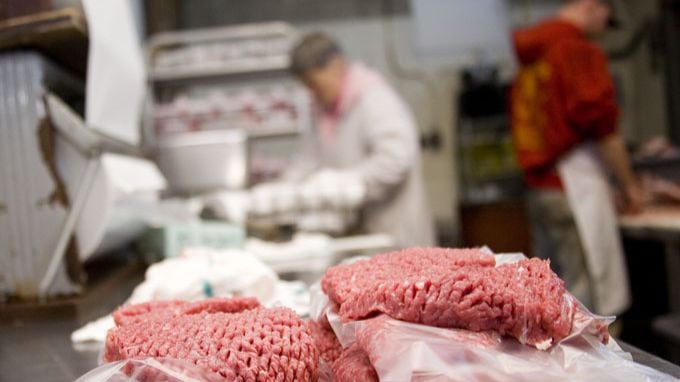
USDA is providing $60 million in support and funding opportunities for small and mid-sized meat processors across the country. Apply by Aug. 7.
Read More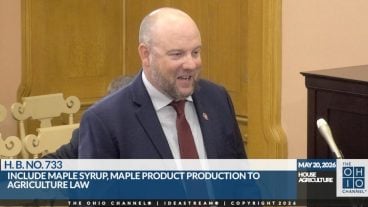
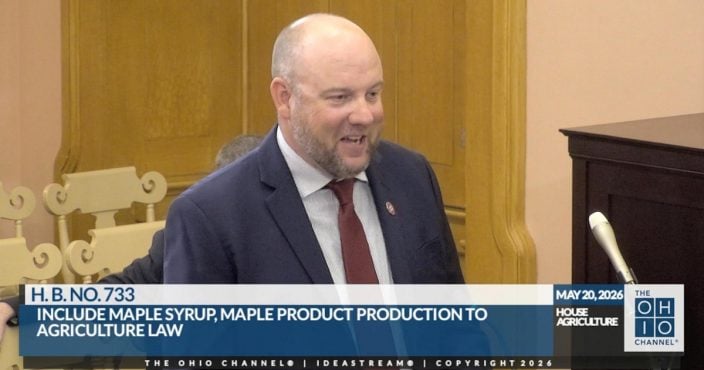
Introduced by Rep. Sarah Fowler Arthur (R-Ashtabula) and Rep. David Thomas (R-Jefferson), the bill would add trees cultivated for maple syrup production to Ohio’s statutory definition of agriculture.
Read More

Ohio Farm Bureau members receive exclusive access and discounted rates to digital tools specifically designed to maximize day-to-day productivity, simplify equipment maintenance and enhance asset protection.
Read More
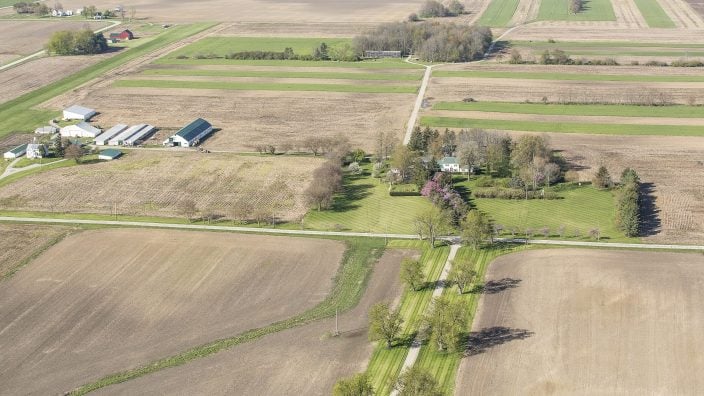
Ohio Farm Bureau shared members’ concerns about the rapid growth of data centers across the state and the long-term impacts on agriculture and rural communities.
Read More
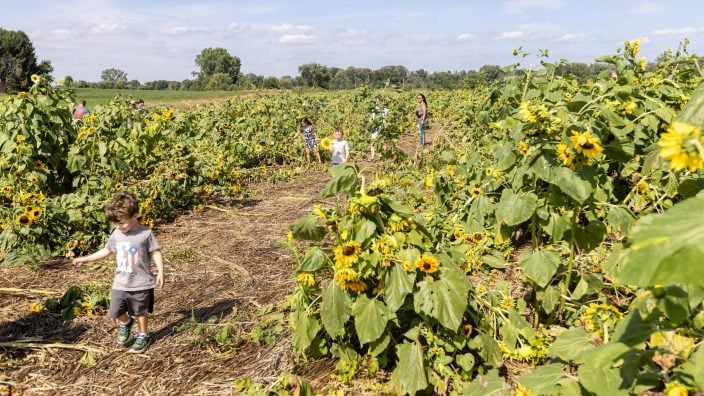
The online application period is open now, until June 30, for those who would like to apply to be featured on the America 250-Ohio Agritourism Trail.
Read More
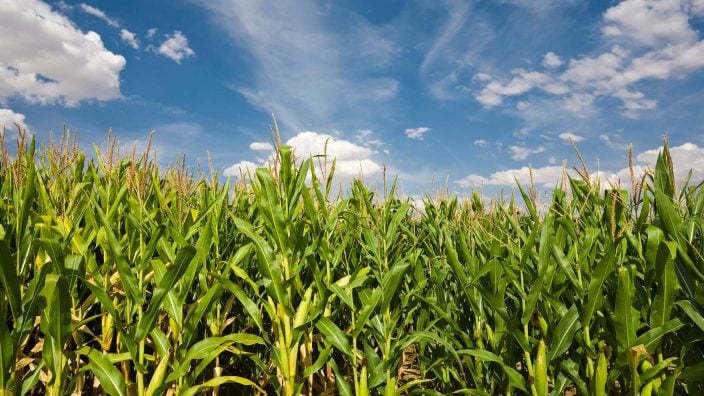
Ohio Farm Bureau testified in support of House Bill 773, legislation that would allow Ohio Turnpike travel plazas to offer E15.
Read More
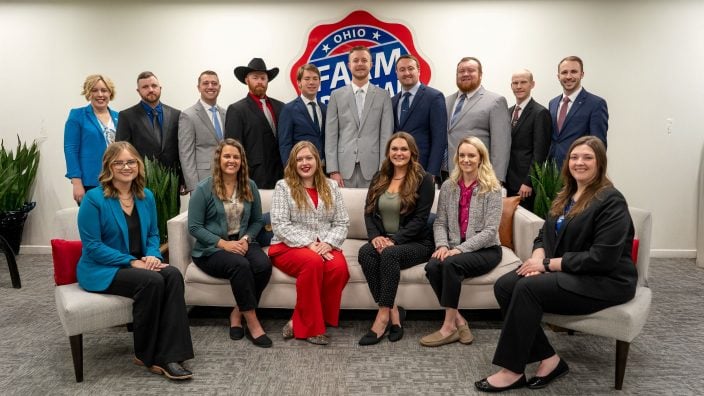
Ohio Farm Bureau is accepting applications for AgriPOWER Class XVII, its leadership and advocacy development program. Application deadline is Aug. 1, 2026.
Read More
Annually, the foundation recognizes Ohio students for their academic effort, community engagement and career interests that link agriculture to community service, education or scientific research.
Read More