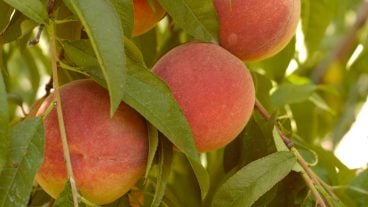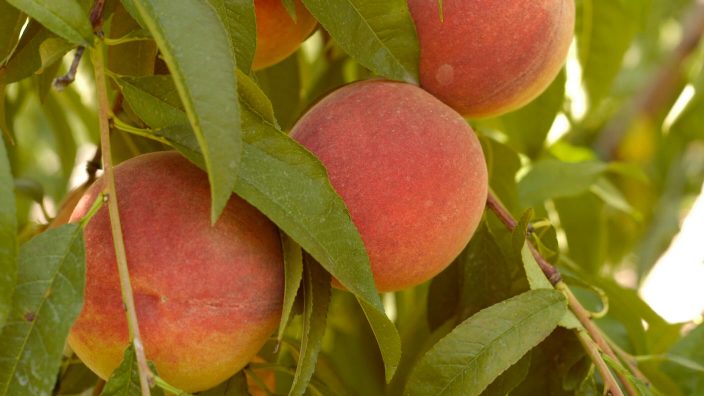
One way to describe summer: Just peachy
Supporting local agriculture is not only about showing up when the harvest is perfect. It is about showing up when the season has been hard.
Read MoreHello, Everyone.
We’ve finally had a nice, long break to get some gardening and farm work accomplished. The wet spring delayed field work and planting, and with the recent stretch of nice weather, farmers are working long days to catch up.
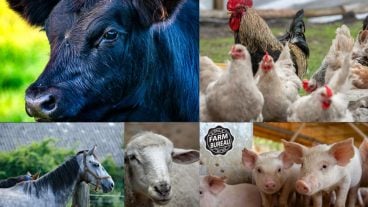
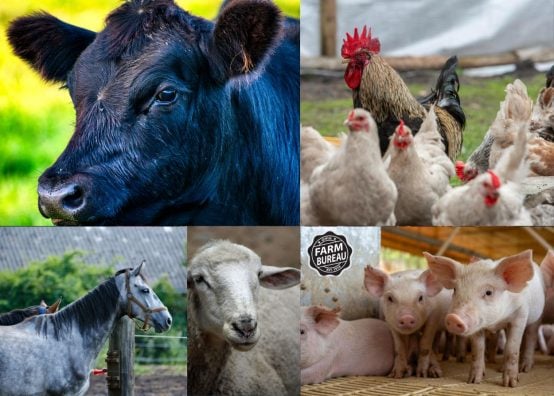
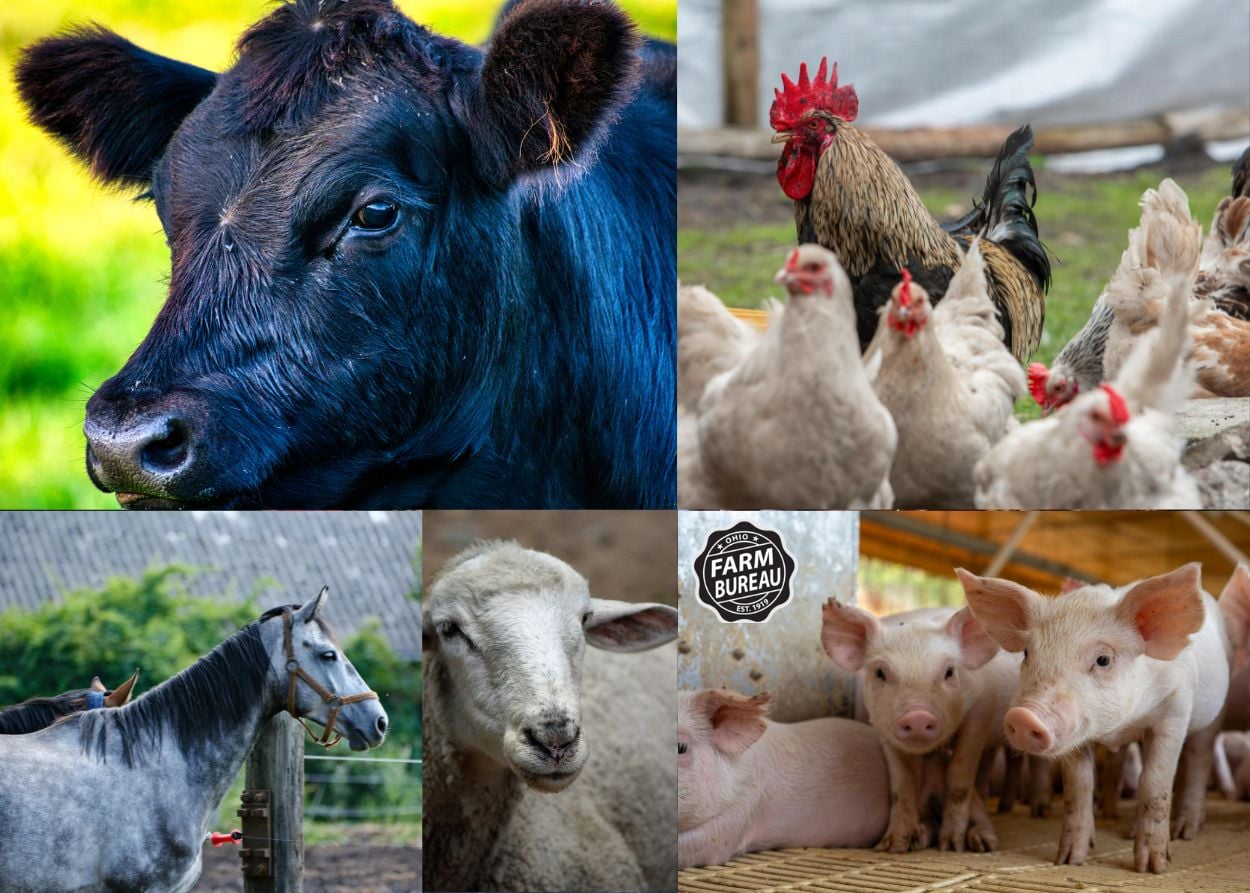
It’s not just fieldwork being done during this time — many farmers and homesteaders are also beginning to put their animals out to pasture. Based on the number of calls I’ve received over the last 2-3 weeks regarding animals at large, now is a good time to revisit best management practices for containing livestock. The Ohio Revised Code (Chapter 951) clearly states that it is unlawful to allow livestock to run loose, and the animal’s owner may be liable for any damages.
Like many chicken owners, I enjoy watching them peck at the ground and scratch for food as they graze in the yard. However, once they get into flower beds, they can cause a lot of damage in a hurry. If that flower bed happens to be on a neighbor’s property, the animal’s owner is responsible for any damages.
The consequences of large livestock — such as horses and cattle — getting loose can be severe. If these animals wander onto a road, a collision with a vehicle can be catastrophic for both the animal and the occupants. Mature animals can weigh up to 1,500 pounds, which is comparable to hitting a 4-foot Jersey barrier used to divide highways.
The best way to keep animals contained is with a high-quality fence appropriate for the species. A five-wire high-tensile fence may work well for cattle, but it will do little to contain poultry or pigs. For smaller animals, woven wire or mesh fencing is often a better option. Fence lines should be checked frequently for damage and repaired promptly.
Installing permanent fencing can be expensive and difficult to move. Temporary fencing offers flexibility, allowing livestock to be moved to new areas without a major investment of time or money. These fences typically rely on electrified strands of wire or mesh to deter animals from approaching. They work well for backyard chicken flocks, but I would advise caution when using them with larger animals that are new to pasture.
If you have livestock, they will likely get loose at some point. When that happens, it’s important to act quickly to contain them. While that’s easier said than done, the longer animals remain at large, the greater the risk of damage and liability. Having corral panels, access to a trailer and help from neighbors or friends can make a big difference.
Drone technology has also advanced rapidly, and several companies now offer livestock location services using thermal imaging. This can be especially helpful if animals escape into wooded areas.
Livestock will test both your fences and your patience, and accidents do happen. For that reason, it is highly recommended that you carry adequate liability insurance. Consider inviting your insurance agent to your property so they can better understand your operation and recommend the best coverage for your situation.
If you have any questions about keeping livestock contained, feel free to call me at 330-638-6783.
Stay safe!
Submitted by Lee Beers, an Extension educator of agriculture and natural resources for Ohio State University Extension. He can be reached by email.
Supporting local agriculture is not only about showing up when the harvest is perfect. It is about showing up when the season has been hard.
Read More
Our County Farm Bureau is seeking dedicated members who want to make a difference. Strong leadership starts with members who are willing to get involved.
Read More
June is National Dairy Month, and what better way to celebrate than teaching kids about farming while enjoying ice cream!
Read More
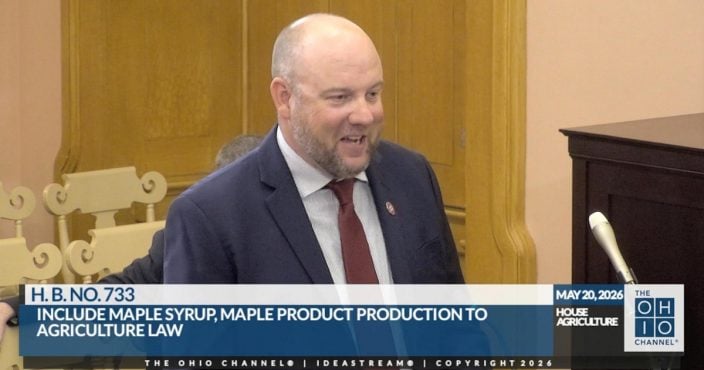
Introduced by Rep. Sarah Fowler Arthur (R-Ashtabula) and Rep. David Thomas (R-Jefferson), the bill would add trees cultivated for maple syrup production to Ohio’s statutory definition of agriculture.
Read More
The Ohio Revised Code (Chapter 951) clearly states that it is unlawful to allow livestock to run loose, and the animal’s owner may be liable for any damages.
Read More
I hope you include 4-H and the local county fairs in the memories you make this summer!
Read More
I encourage each of you reading this, whether a dairy farmer or not, to make sure to learn one thing about the dairy industry this June and enjoy one extra dairy treat!
Read More
This planting season, let’s all remember that agriculture is built on more than crops and equipment. It is built on people.
Read More
Trumbull County Farm Bureau recognizes the importance of developing future leaders in the agriculture industry and is committed to investing in their education.
Read More