

Fun facts about dairy cows
The dairy farmers across America send many thanks to consumers for buying milk, cheese and other dairy products!
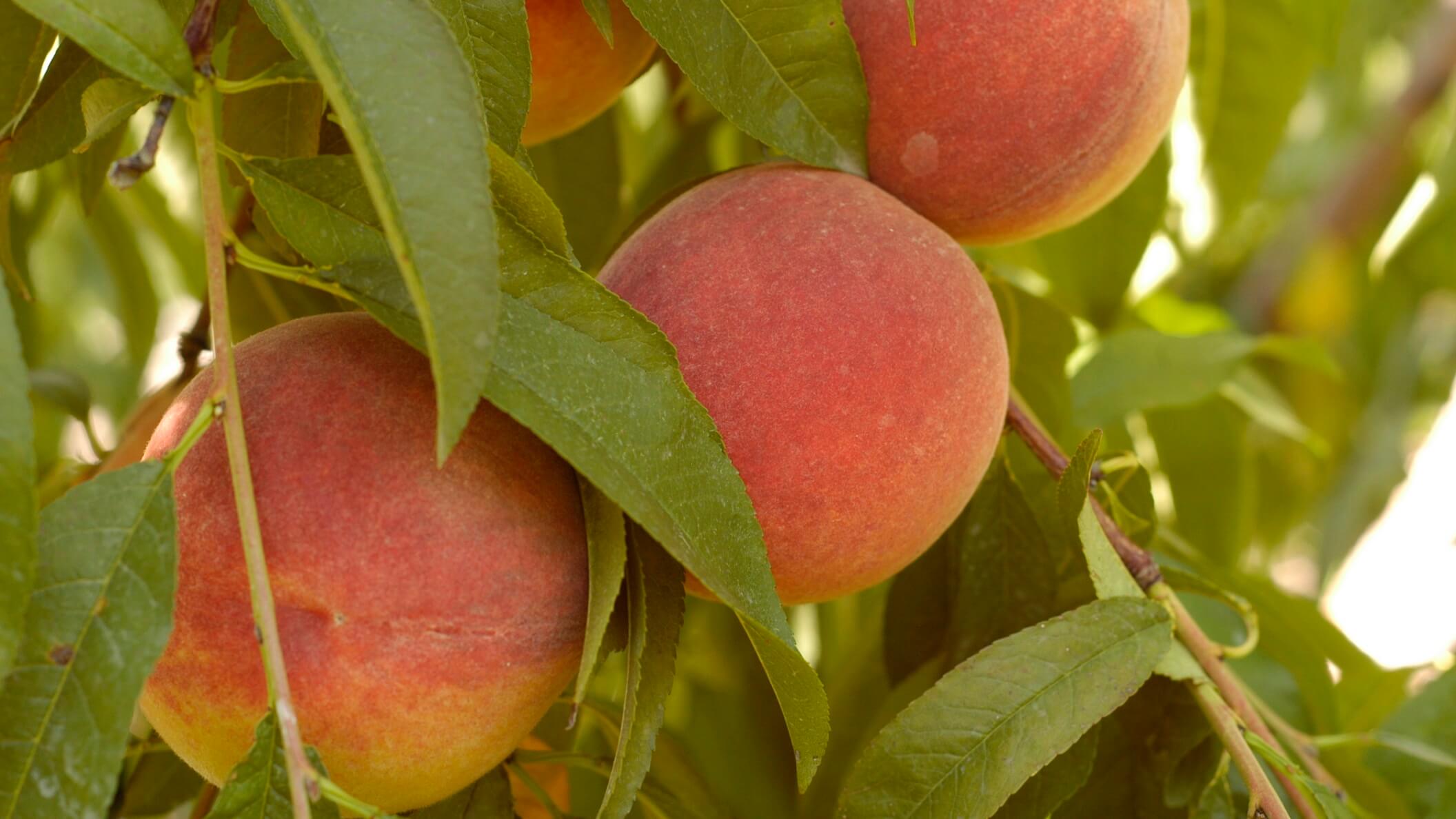
Read MorePeaches epitomize summer for me. From gorgeous peach pie cooling on the counter to a bowl of fresh peaches in my hand, summer doesn’t really start for me until peaches come into season.
Thankfully, we have many local orchards that grow delicious peaches. But spring weather this year may put a damper on my peach obsession.
Spring this year was a mess. Let’s be honest, spring in northeast Ohio normally isn’t settled, normal or predictable, but this year felt even more chaotic, and unfortunately, it took a toll on local fruit trees and plants.
Here in Trumbull County, we know better than to trust spring too quickly. One day feels like we should be planting flowers and opening windows, and the next day the furnace kicks back on like it is the Arctic Tundra. That might just be life in Trumbull County, but for peach trees, those wild temperature swings can be more than annoying.
Peach trees are a little too hopeful for their own good. When warm stretches appear early in the season, the trees begin to wake up. Buds swell, blossoms develop and the tree starts preparing for fruit. Then, if cold weather slips back in, especially a frost or freeze, those tender buds and blossoms can be injured. The tree may still look alive and healthy later, but the fruit crop can already be reduced.
That is one of the tricky things about growing fruit. The peaches we enjoy in July and August are often determined by what happens in March, April and May. A single cold night at the wrong stage can make a big difference. Growers are not just watching whether the tree survives; they are watching bud stage, bloom stage, temperature, wind, moisture and how long the cold lasts.
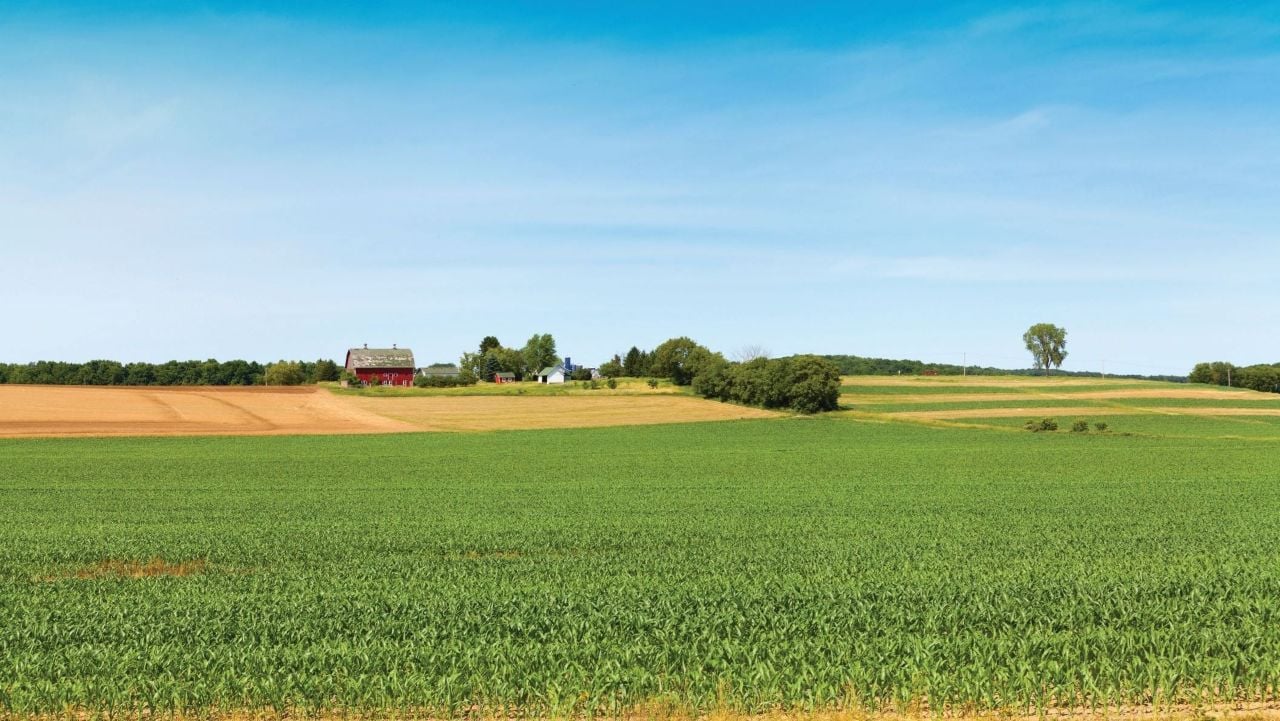
In an area like Trumbull County, the landscape also matters. We have farmland, woods, low spots, open fields and the influence of Mosquito Creek and Mosquito Lake. Cold air naturally settles in lower areas, so one orchard, garden, or backyard tree may take more frost damage than another just a short distance away. That is why site selection is so important for fruit trees.
Good sunlight matters, but so does air movement and drainage.
For home gardeners, the best advice is not to panic too quickly. A tree can look rough after a hard spring and still recover. Frost-nipped blossoms, curled leaves or sparse fruit do not always mean the tree is dying. Sometimes the damage is limited. Sometimes the crop is lighter. And sometimes nature surprises us, because apparently she enjoys keeping gardeners humble.
However, for our local orchards, a lighter crop is more than a disappointment. It affects the families who grow the fruit, the workers who care for the trees, and the small businesses that depend on a short growing season to carry them through the year. When we walk into an orchard market and do not see as many peaches, apples, berries or vegetables as we expected, it is easy to feel disappointed. But it is also important to remember what it took to get anything to the table at all.
Local growers cannot control the spring weather any more than the rest of us can. They can prune, spray, protect, prepare and pray, but they cannot stop a hard frost from arriving at the wrong time. Farming is one of the few jobs where a year’s work can be changed by one night of weather.
So if your favorite orchard does not have the exact produce you were hoping for this year, go anyway. Buy what they do have. Pick up applesauce, cider, jam, baked goods, vegetables, flowers, honey or whatever else is available. Ask what did well this season. Thank them for the work they put in. Those purchases matter.
Supporting local agriculture is not only about showing up when the harvest is perfect. It is about showing up when the season has been hard, when the shelves are lighter, and when the people who feed us need reminding that their work is valued.
And if the local peach crop is smaller this year, maybe that will make the peaches we do get feel even more special. That first sweet, juicy bite may come with a little more appreciation for what those trees endured.
That is agriculture in Trumbull County: part science, part patience, part prayer, and part stubborn hope. The weather keeps us guessing, the land keeps trying, and our local growers keep showing up. The least we can do is show up for them, too, so they can keep planting, pruning, growing, and trying again next year
Submitted by Christen Clemson, a member of the Trumbull County Farm Bureau who completed her Ph.D. at Pennsylvania State University. She and her family have a farm in Mecca Township.
OFBF Mission: Working together for Ohio farmers to advance agriculture and strengthen our communities.


The dairy farmers across America send many thanks to consumers for buying milk, cheese and other dairy products!
Read More

Check on your kids. Check on the friend who has been unusually quiet. Check on the farmer who hasn’t been at the coffee shop lately. Check on the person who is always the strong one for everyone else.
And when someone tells you they are struggling, listen.
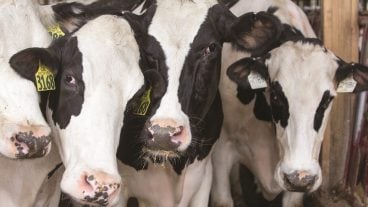

Knowing how a certain cow acts or responds can often indicate something about her health and well-being as well.
Read More
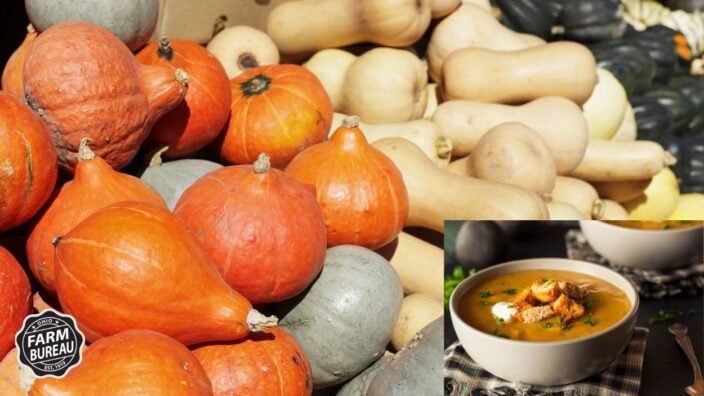
This fall, as you’re picking up a pumpkin spice latte or an apple cider doughnut, don’t forget to bring home a squash.
Read More

Preparation may not be as exciting as purchasing new equipment, but when an emergency occurs, it can be one of the best investments you ever make.
Read More
The Grange was a place to meet with and get to know your neighbors in a safe, family-friendly atmosphere.
Read More

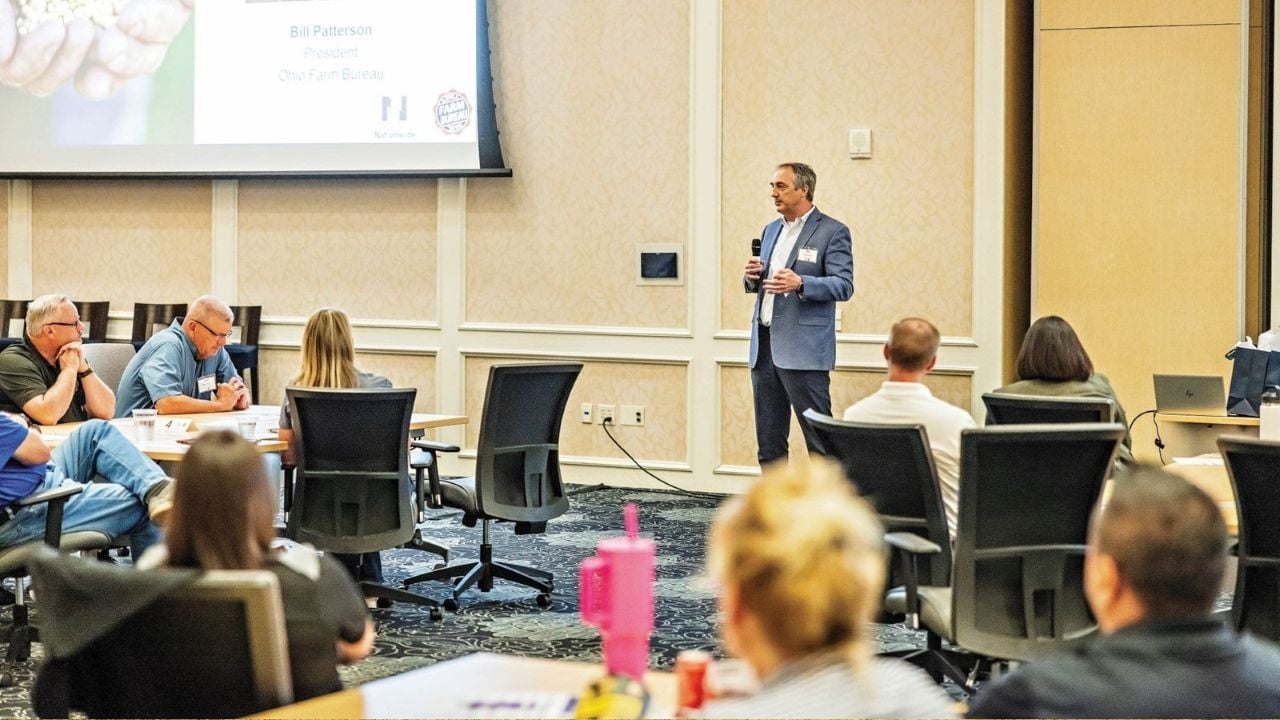
Bill Patterson of Chesterland is serving on the 2026 Ohio Farm Bureau Federation Policy Development Committee.
Read More
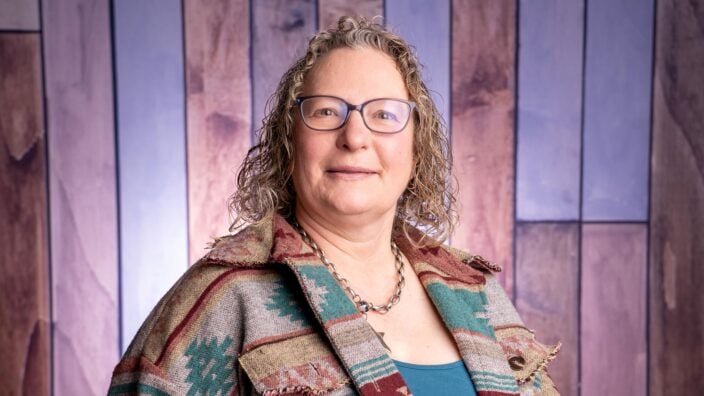
Marsha Stanhope of Kinsman is serving on the 2026 Ohio Farm Bureau Federation Policy Development Committee.
Read More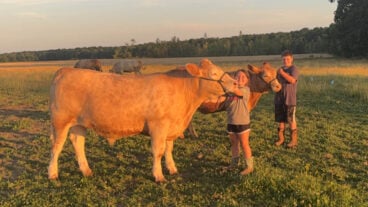
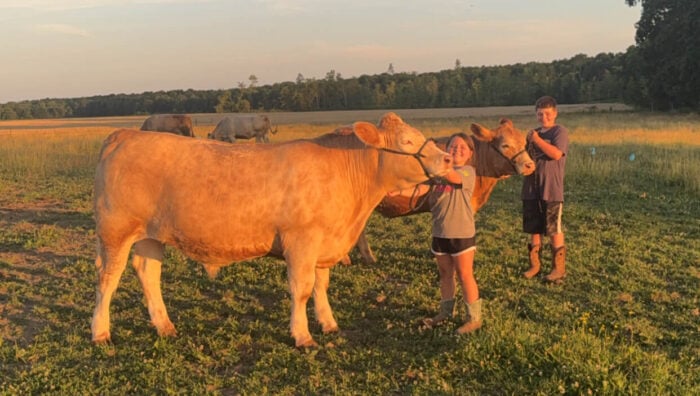
While we may walk into those barns thinking we’re raising livestock for the county fair, somewhere along the way we’re raising kids, too.
Read More
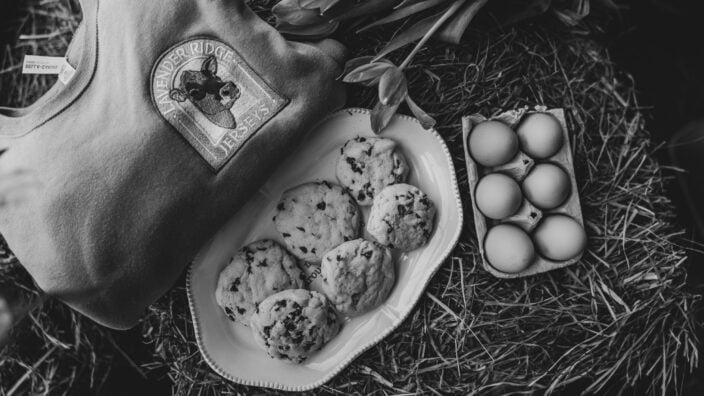
Who knew that what started as having to come up with a prefix for my first homebred Jersey would grow into such a brand and new business ventures for me.
Read More