

Fun facts about dairy cows
The dairy farmers across America send many thanks to consumers for buying milk, cheese and other dairy products!
Read MoreApril showers bring May monsoons?
Well, that’s what it looks like so far this year.
If you know anything about me, you’ll know that I hate rain. Let me clarify that. I hate being outside and getting soaked; I also abhor wet feet. I blame it on years of competing in track and field, but I think I’m getting older and pickier. Thankfully, waterproof everything, including shoes, has been a lifesaver this year. See what I did there: lifesaver, water, brilliant, and suitable for a few groans and maybe even a chuckle.
On the subject of water, since it’s everywhere right now. My puppy, Shiloh, has learned to enjoy splashing in the puddles, chasing water drops and slurping from every puddle she can find. This is hilarious because when I first brought her home, she avoided puddles like they were lava. Now, I can’t keep her out of them. With all that puddle fun comes mud, so don’t ask about the muddy puppy prints on my hardwood floor: I call them ambiance. In fact, I’m pretty sure that until next Christmas I’m going to be finding mud in places I didn’t expect.
Amid all this rain and mud, I’ve decided to focus on all the positive things that rain brings. After all, they say when life gives you lemons, make lemonade. Here’s my attempt to make lemonade out of all the rain we’ve received.
First, for all you seasonal allergy sufferers, light rain can help to wash pollen out of the air and alleviate some allergies. When it rains lightly, raindrops are heavier than pollen and the raindrops can hit the pollen molecules and knock them to the ground, rendering them less irritating. The problem may come with heavy rains, when the drops can actually disturb pollen, breaking them into small pieces, and causing there to be more pollen than before. Additionally, humidity can actually help to ground pollen as well, but can increase issues with mold spores and dust mites. However, thunderstorms can actually trigger asthma attacks for some people; this is called thunderstorm asthma and is caused by air flow, humidity and electricity.
Rain, especially as much as we have received, helps to replenish the groundwater supply. Most people where I live in Mecca have wells that supply their water. This means that their water comes from the water table under the ground. When it rains, in a process called recharge, water soaks into the soil and works its way down through the layers of soils. Most underground water is held in porous layers of sand and gravel called aquifers. These aquifers are in a layer called the saturation level or the water table. In some areas, rain water can reach aquifers fairly quickly; in other areas, it can move as slowly as 10 feet per year. This slow process allows the water to become more pure since the layers of soils act as a filter for impurities. Aquifers are crucial for providing people drinking water, supporting the ecosystem, balancing the water cycle, agriculture, and even the economy.
So while farmers are bemoaning the waterlogged fields and muddy pastures, pet parents battle muddy paws, lawn enthusiasts cringe at the quickly growing grass, and everyone with Saturday plans packs an umbrella and galoshes, I’m going to head to the sink and pour myself a delicious glass of icy cold water. Then I’m going to curl up in my chair (with a tired puppy who played in all the puddles), and watch it rain while being thankful for that rain; after all, nothing can survive without water.
Submitted by Christen Clemson, a member of the Trumbull County Farm Bureau and completed her Ph.D. at the Pennsylvania State University. She and her family farm in Mecca Township.
OFBF Mission: Working together for Ohio farmers to advance agriculture and strengthen our communities.


The dairy farmers across America send many thanks to consumers for buying milk, cheese and other dairy products!
Read More

Check on your kids. Check on the friend who has been unusually quiet. Check on the farmer who hasn’t been at the coffee shop lately. Check on the person who is always the strong one for everyone else.
And when someone tells you they are struggling, listen.
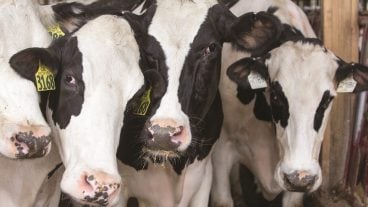

Knowing how a certain cow acts or responds can often indicate something about her health and well-being as well.
Read More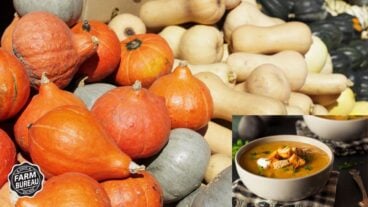
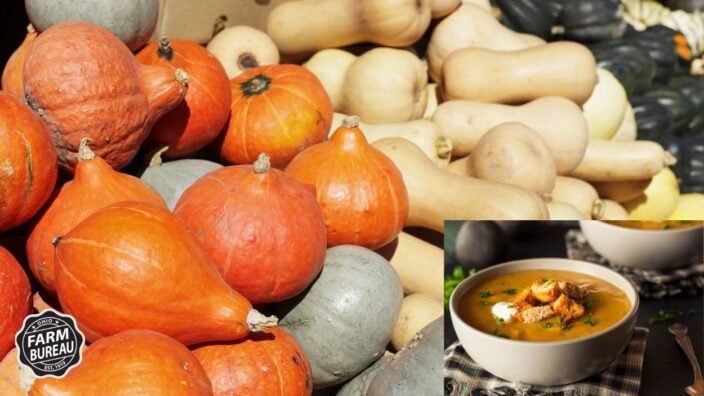
This fall, as you’re picking up a pumpkin spice latte or an apple cider doughnut, don’t forget to bring home a squash.
Read More
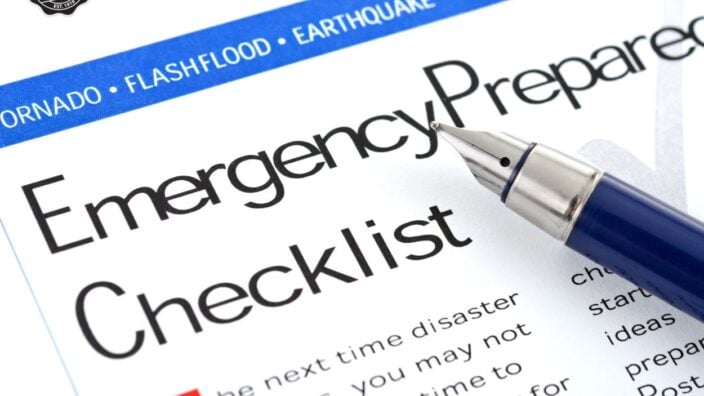
Preparation may not be as exciting as purchasing new equipment, but when an emergency occurs, it can be one of the best investments you ever make.
Read More
The Grange was a place to meet with and get to know your neighbors in a safe, family-friendly atmosphere.
Read More

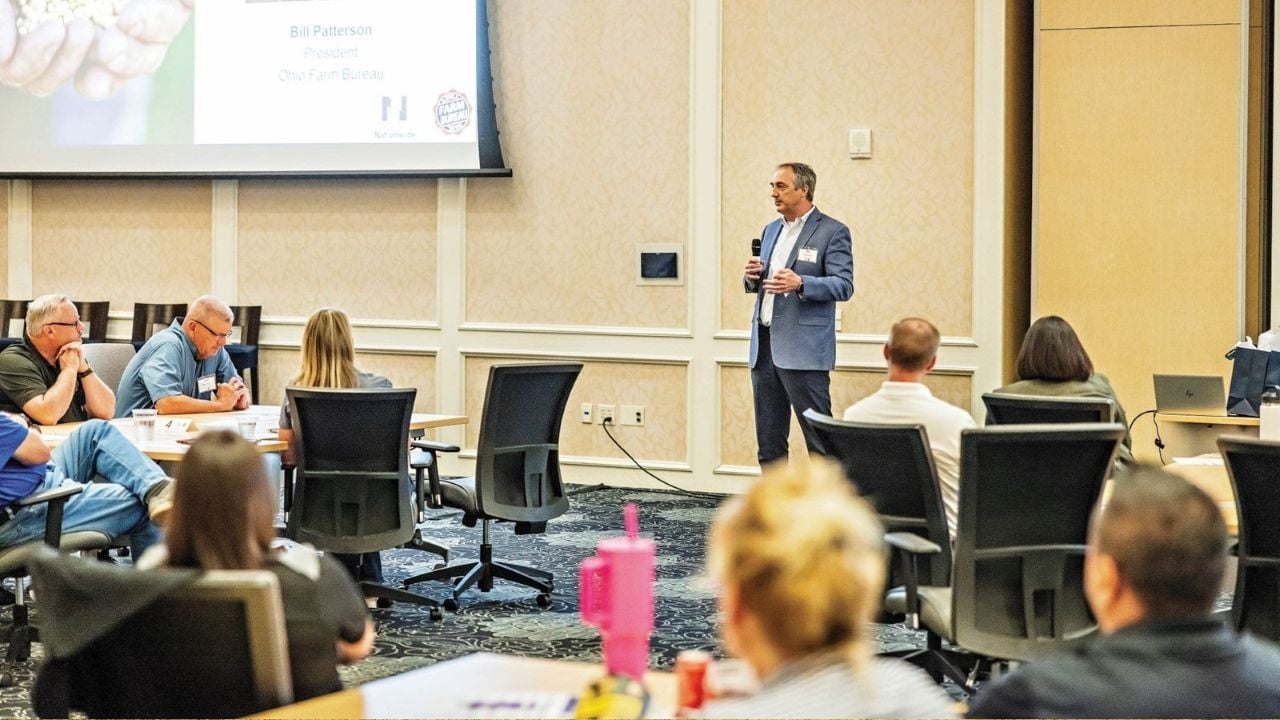
Bill Patterson of Chesterland is serving on the 2026 Ohio Farm Bureau Federation Policy Development Committee.
Read More
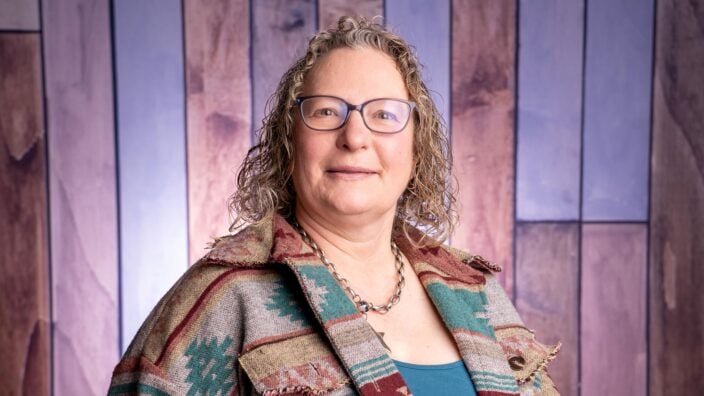
Marsha Stanhope of Kinsman is serving on the 2026 Ohio Farm Bureau Federation Policy Development Committee.
Read More
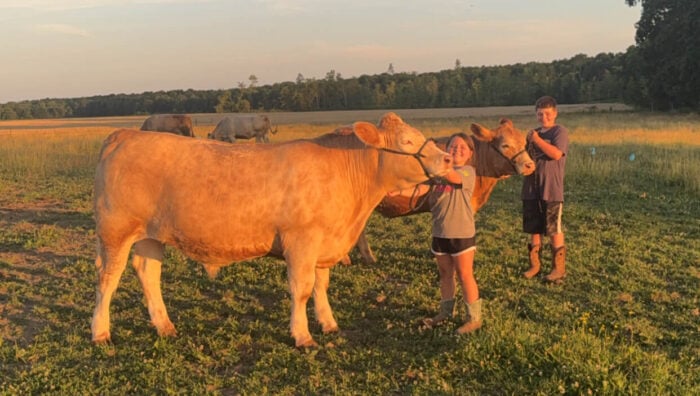
While we may walk into those barns thinking we’re raising livestock for the county fair, somewhere along the way we’re raising kids, too.
Read More
Who knew that what started as having to come up with a prefix for my first homebred Jersey would grow into such a brand and new business ventures for me.
Read More