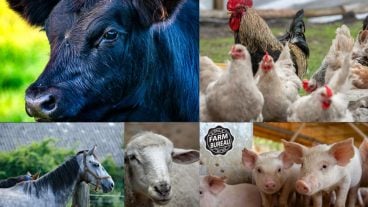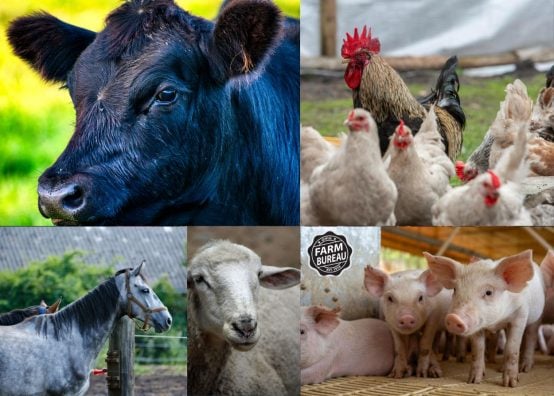
livestock

Hello, Everyone.

We’ve finally had a nice, long break to get some gardening and farm work accomplished. The wet spring delayed field work and planting, and with the recent stretch of nice weather, farmers are working long days to catch up.

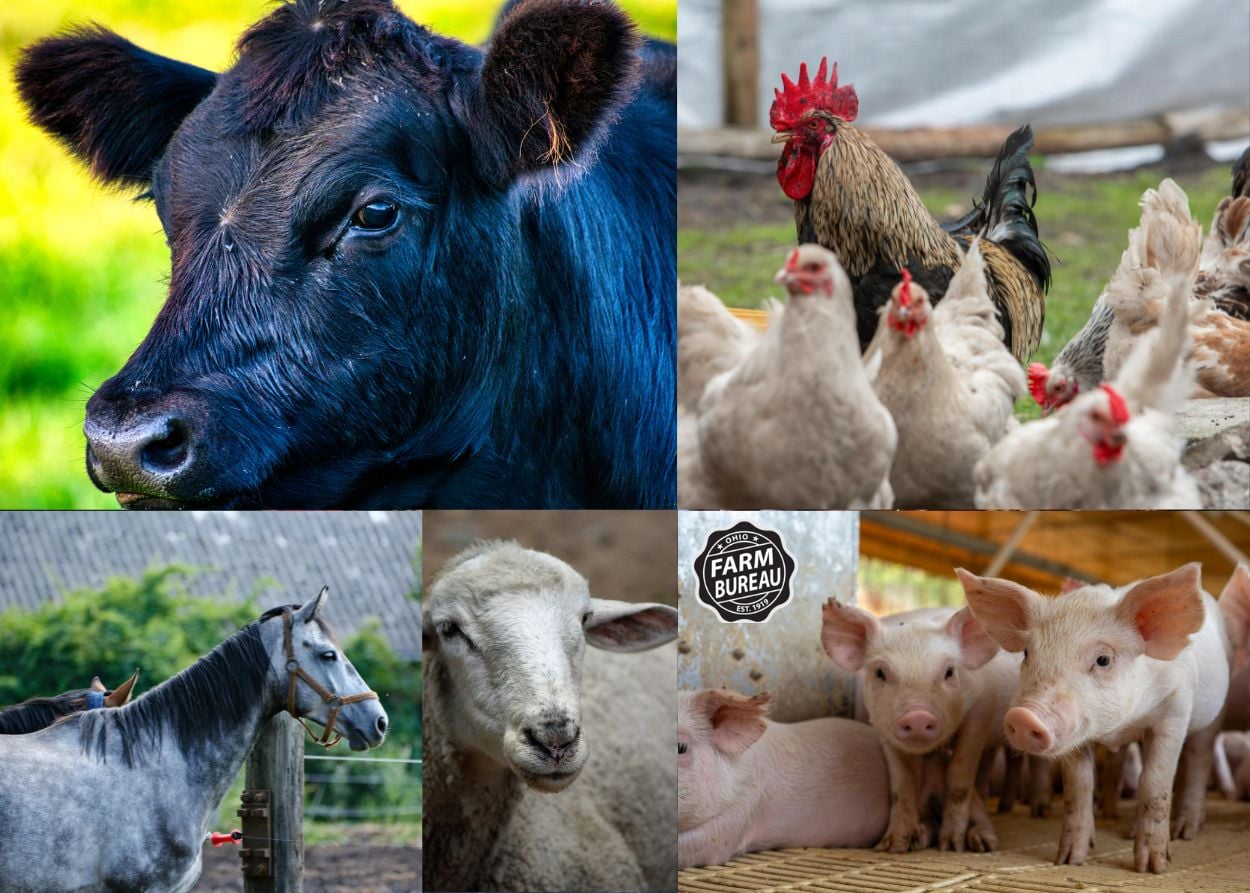
It’s not just fieldwork being done during this time — many farmers and homesteaders are also beginning to put their animals out to pasture. Based on the number of calls I’ve received over the last 2-3 weeks regarding animals at large, now is a good time to revisit best management practices for containing livestock. The Ohio Revised Code (Chapter 951) clearly states that it is unlawful to allow livestock to run loose, and the animal’s owner may be liable for any damages.

Like many chicken owners, I enjoy watching them peck at the ground and scratch for food as they graze in the yard. However, once they get into flower beds, they can cause a lot of damage in a hurry. If that flower bed happens to be on a neighbor’s property, the animal’s owner is responsible for any damages.

The consequences of large livestock — such as horses and cattle — getting loose can be severe. If these animals wander onto a road, a collision with a vehicle can be catastrophic for both the animal and the occupants. Mature animals can weigh up to 1,500 pounds, which is comparable to hitting a 4-foot Jersey barrier used to divide highways.

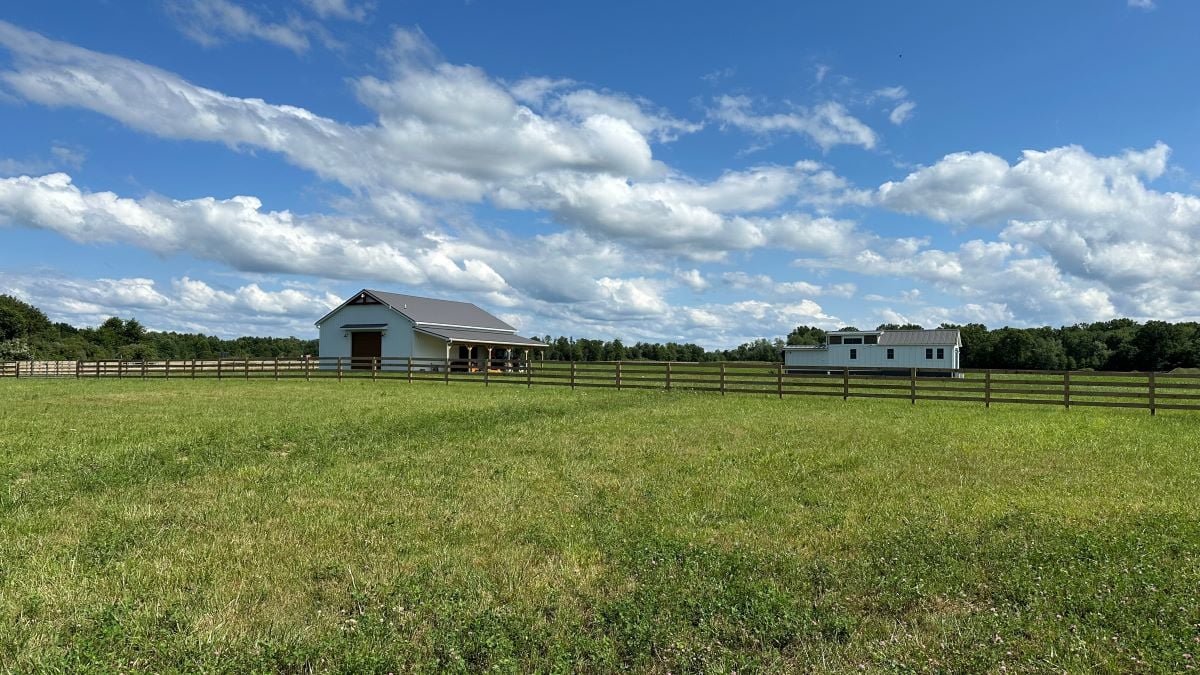
The best way to keep animals contained is with a high-quality fence appropriate for the species. A five-wire high-tensile fence may work well for cattle, but it will do little to contain poultry or pigs. For smaller animals, woven wire or mesh fencing is often a better option. Fence lines should be checked frequently for damage and repaired promptly.

Installing permanent fencing can be expensive and difficult to move. Temporary fencing offers flexibility, allowing livestock to be moved to new areas without a major investment of time or money. These fences typically rely on electrified strands of wire or mesh to deter animals from approaching. They work well for backyard chicken flocks, but I would advise caution when using them with larger animals that are new to pasture.

If you have livestock, they will likely get loose at some point. When that happens, it’s important to act quickly to contain them. While that’s easier said than done, the longer animals remain at large, the greater the risk of damage and liability. Having corral panels, access to a trailer and help from neighbors or friends can make a big difference.

Drone technology has also advanced rapidly, and several companies now offer livestock location services using thermal imaging. This can be especially helpful if animals escape into wooded areas.

Livestock will test both your fences and your patience, and accidents do happen. For that reason, it is highly recommended that you carry adequate liability insurance. Consider inviting your insurance agent to your property so they can better understand your operation and recommend the best coverage for your situation.

If you have any questions about keeping livestock contained, feel free to call me at 330-638-6783.

Stay safe!

Submitted by Lee Beers, an Extension educator of agriculture and natural resources for  Ohio State University Extension. He can be reached by email.

To grow a network and gain perspective and knowledge in the industry through personal and professional development has been invaluable. Every day I learn and grow.
Ryanna Tietje's avatar
Ryanna Tietje

Henry County Farm Bureau

Farm Bureau connections
The issue of property taxation remains as one of the biggest challenges our members face today. Ensuring agricultural property is valued for its agricultural potential and not development is critical to the continued success of Ohio agriculture.
Matt Aultman's avatar
Matt Aultman

Darke County Farm Bureau

Giving farmers a voice
Farm Bureau is what really got the word out. It’s been one of their goals to get this done.
Bill and Charlotte Wachtman's avatar
Bill and Charlotte Wachtman

Henry County

10-year campaign for safer roads
I could not have done it without the resources I have found through Farm Bureau.
Gretchan Francis's avatar
Gretchan Francis

Trumbull County Farm Bureau

Bringing the farm back to life
Because we are younger farmers just starting out, Farm Bureau has a lot of good opportunities and resources to help us grow in the future.
Hannah Kiser's avatar
Hannah Kiser

Sandusky County Farm Bureau

Farm Bureau involvement
Through the Select Partner program, we became educated in farm insurance and weren't just selling policies. It became more and more clear why farmers need an advocate like Ohio Farm Bureau.
Chad Ruhl's avatar
Chad Ruhl

Farm manager, CSI Insurance

Select Partner Program
So many of the issues that OFBF and its members are advocating for are important to all Ohioans. I look at OFBF as an agricultural watchdog advocating for farmers and rural communities across Ohio.
Mary Smallsreed's avatar
Mary Smallsreed

Trumbull County Farm Bureau

Advocacy
Suggested Tags: