

Applications for Ohio Farm Bureau Health Plans now available
Members have three ways to apply: contacting a certified agent, calling 833-468-4280 or visiting ohiofarmbureauhealthplans.org.
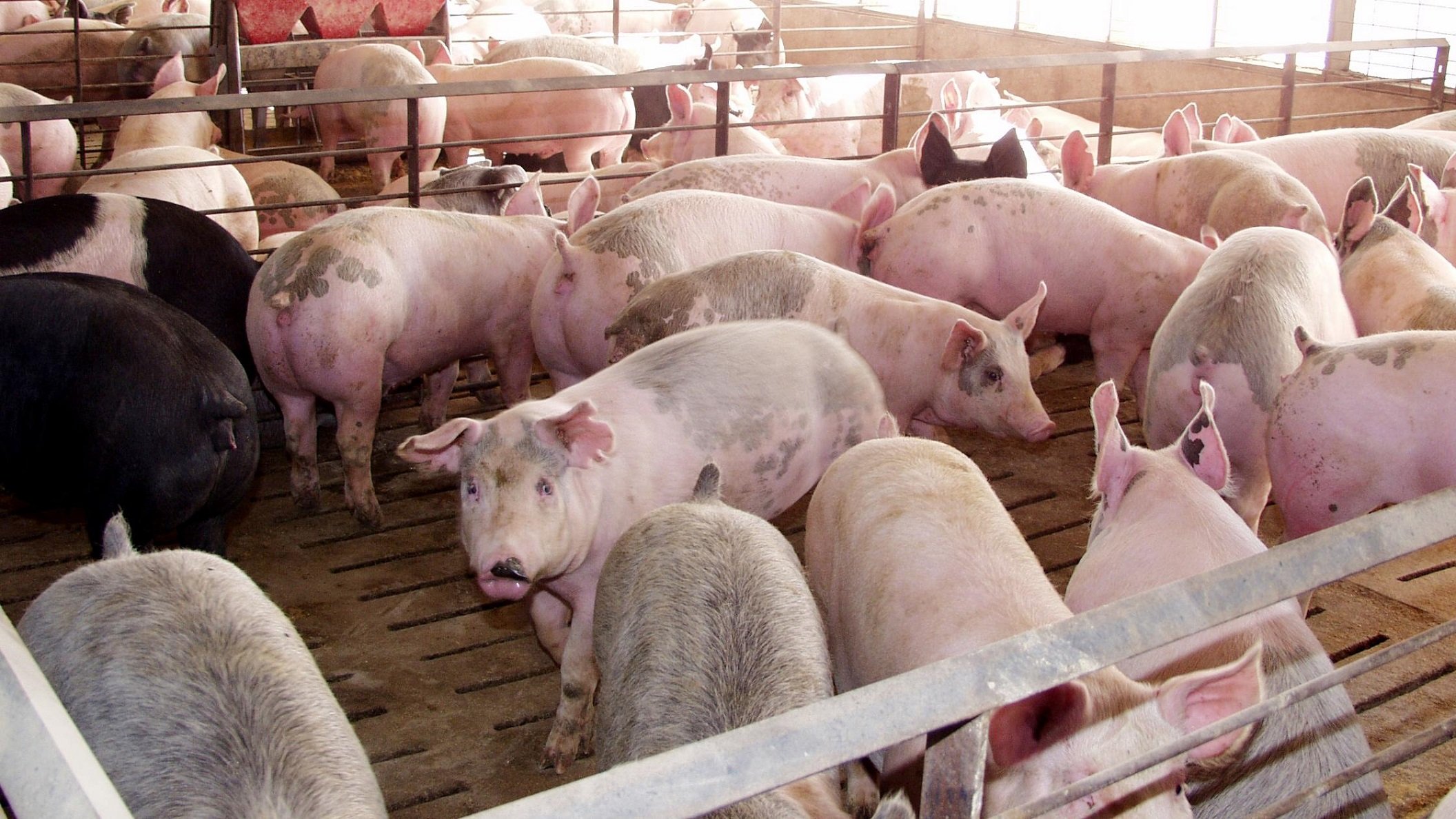
Read MoreOhio Farm Bureau led a group of state Farm Bureaus representing farmers in the Midwest to write a letter to USDA regarding the recent court order that would effectively end the New Swine Slaughter Inspection System (NSIS), asking USDA to request a stay of the new court decision.
Addressed to Secretary of Agriculture Tom Vilsack, the letter stressed that the reduced line speeds forced by the court order would have adverse impacts on hog producers as it would significantly decrease slaughter capacity.
The letter also cited research from Iowa State economist Dr. Dermot Hayes that estimates the decision would reduce national packing capacity and cause a total economic loss of $80 million for U.S. hog farmers, much of which would be concentrated in Midwestern states:
The hog industry has suffered greatly over the past several years, combating market volatility stemming from African Swine Fever, packing capacity and supply chain issues due to the COVID-19 pandemic, and trade implications from some of our country’s largest pork importers. They can’t afford another setback due to processing capacity reductions.
Over 25% of the nation’s hog slaughter capacity has been enrolled in the NSIS program. In the Midwest, there is even more reliance on the processing capacity provided by these plants. For example, in Ohio nearly 40% of all hogs are processed in plants operating using increased line speeds. In Pennsylvania, it is estimated the decision would have at least a 20% impact on pork processing capacity.
The letter shared with Secretary Vilsack emphasized that the nation’s hog farmers will suffer the greatest harm from upstream impacts, adding:
With the current production cycle already underway, farmers will have few options to have hogs processed if current processing capacity is reduced. In the case of independent producers, hogs may have nowhere to go as processor-owned hogs will be given priority. Given the impact and administrative nature of the court’s ruling, our organizations call on you to expend all means necessary to ensure producers are not adversely impacted. First and foremost, USDA should request a stay of the recent court decision.
Ohio Farm Bureau is continuing to work directly with stakeholders impacted by this ruling and is collaborating with them to seek out solutions.


Members have three ways to apply: contacting a certified agent, calling 833-468-4280 or visiting ohiofarmbureauhealthplans.org.
Read More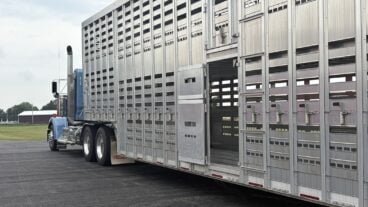
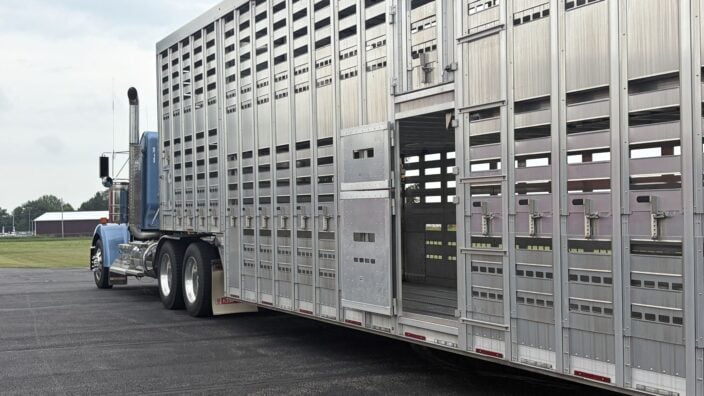
Two specialized, hands-on training sessions will address high-risk agricultural emergencies: manure pit rescues in confined spaces and roadside livestock transportation accidents.
Read More
The 75,000 square foot ImAGine Ag exhibit made its debut at the 2026 Ohio State Fair in the new Ohio Agriculture Center, giving thousands of visitors a hands-on, interactive learning experience.
Read More
Early-bird pricing for the conference will end Dec. 15, 2026, with a final registration deadline of Jan. 5, 2027. Event details, session updates and registration are available at ofb.ag/WLE.
Read More
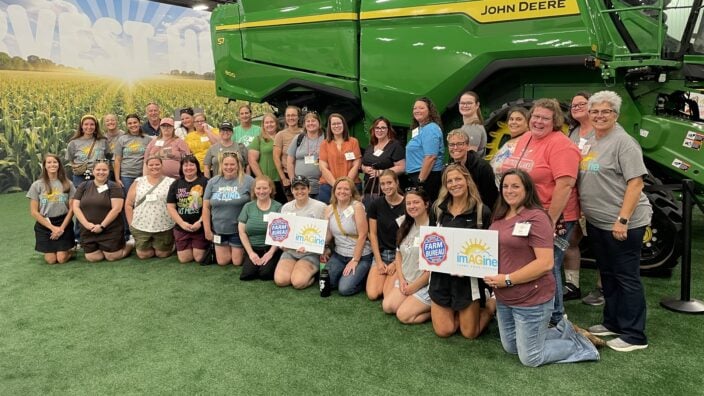
More than 50 K-5 educators took part in professional development events at the 2026 Ohio State Fair, centered around agricultural education and the organization’s new imAGine Ag exhibit.
Read More
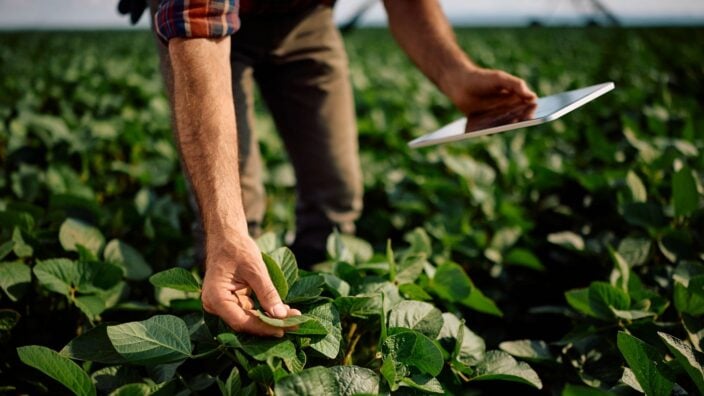
Founded by farmers in 1926, Nationwide has grown into a trusted partner for the agricultural community while staying true to its roots.
Read More
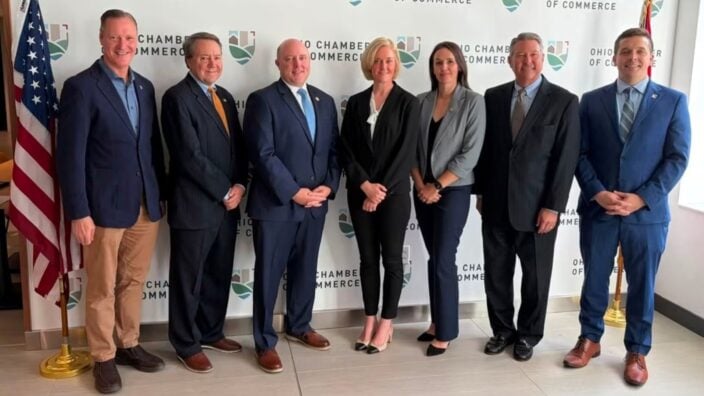
Five of Ohio’s leading business organizations, including Ohio Farm Bureau, announced support this week for Justice Dan Hawkins and Colleen O’Donnell in the 2026 elections for the Ohio Supreme Court.
Read More
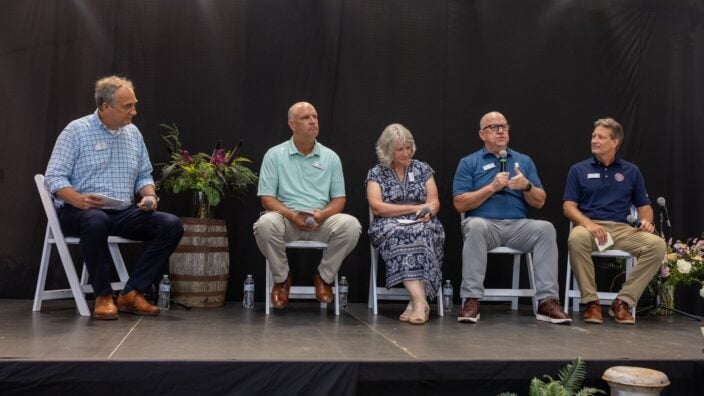
The 16th annual Cultivating a Cure welcomed more than 320 attendees and raised $151,053 to support cancer treatment and prevention research.
Read More
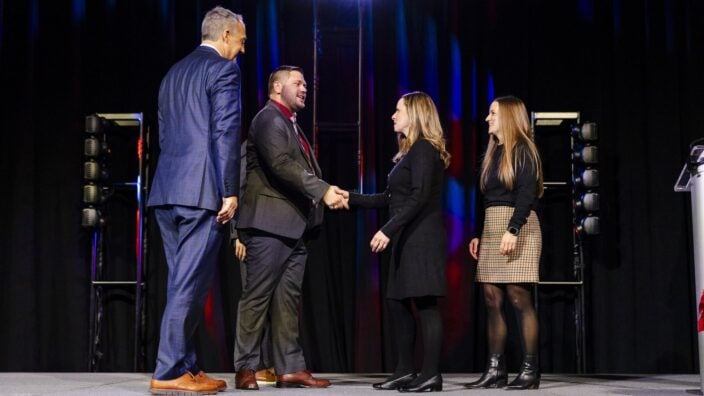
Ohio Farm Bureau is accepting applications for the Discussion Meet, Excellence in Agriculture, and Outstanding Young Farmer 2027 contests.
Read More
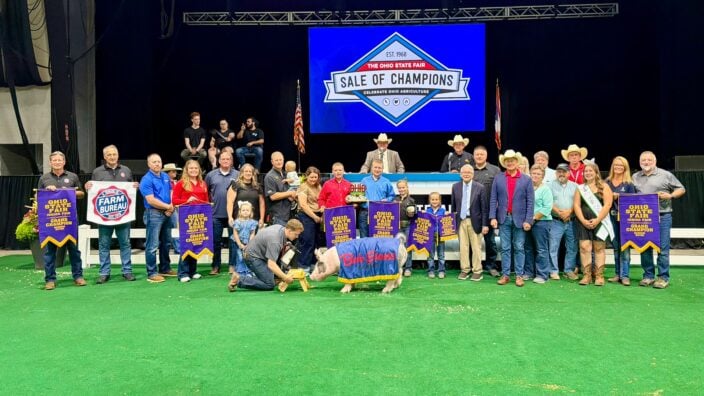
At the 2026 Sale of Champions, Ohio Farm Bureau, along with partners Bob Evans Farms and Nationwide, purchased the Grand Champion Market Barrow exhibited by Parker Elchinger of Henry County.
Read More