

Ohio’s 2026 top conservation farmers honored
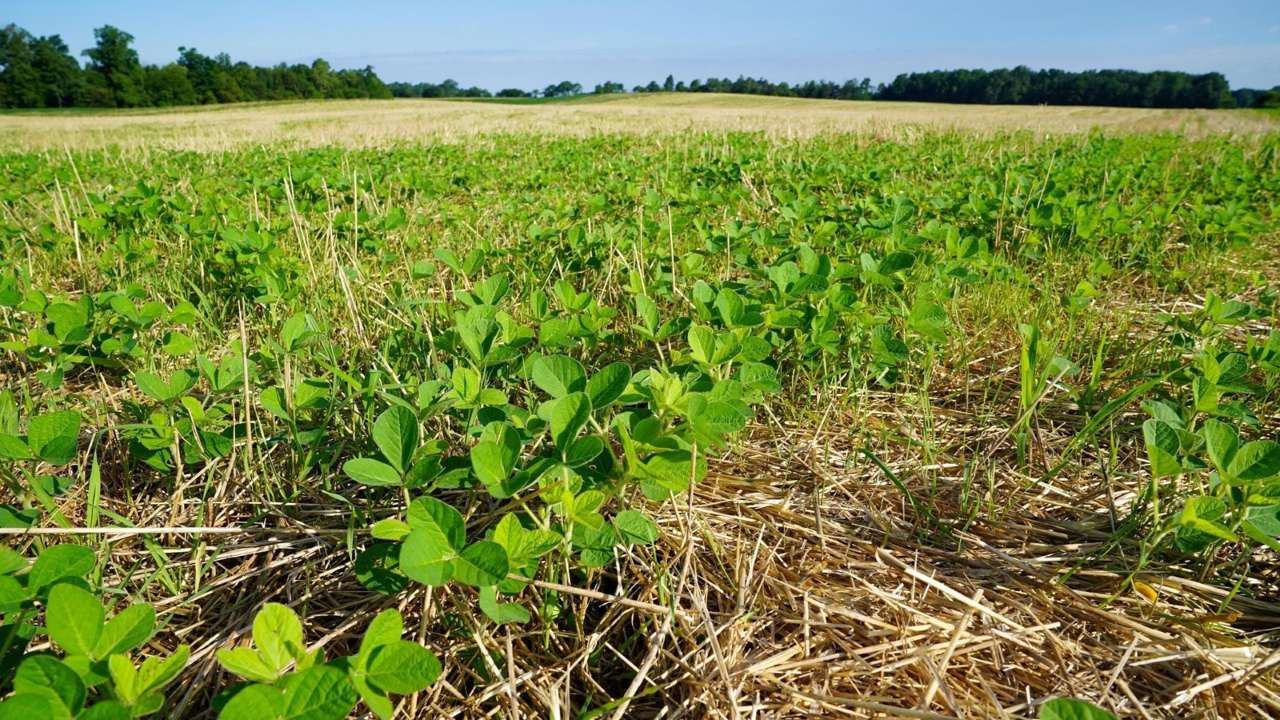
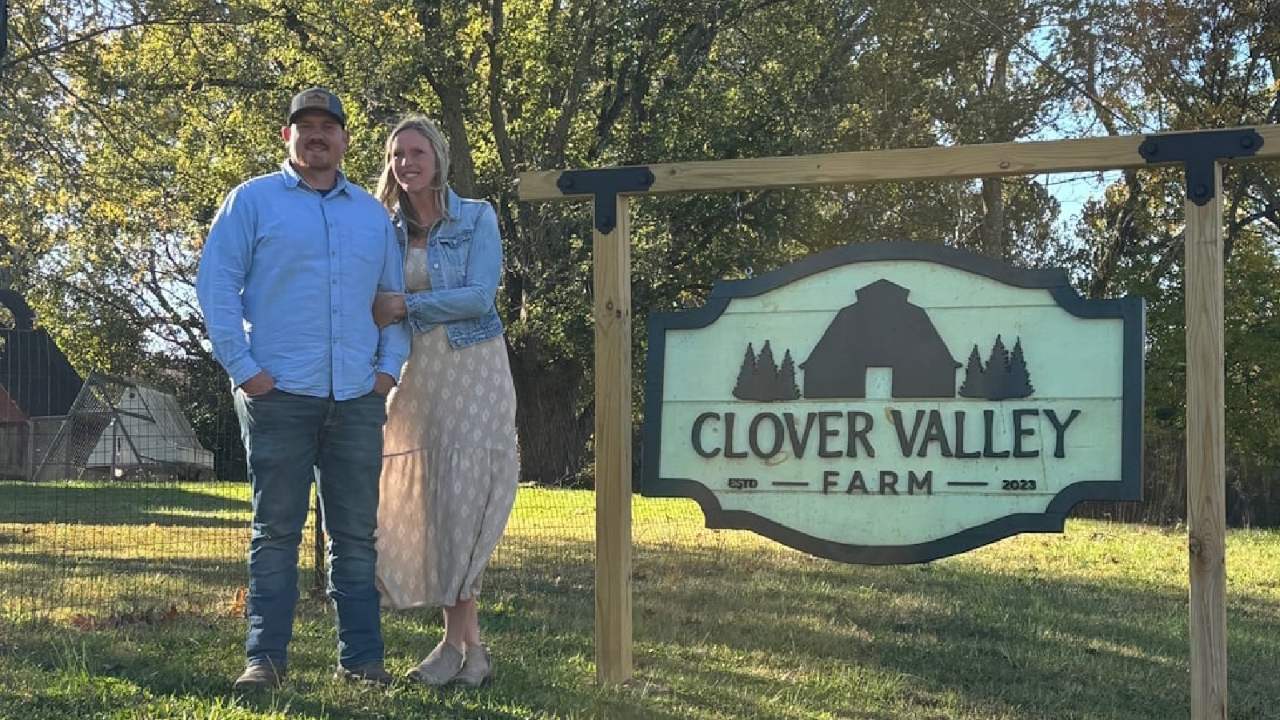
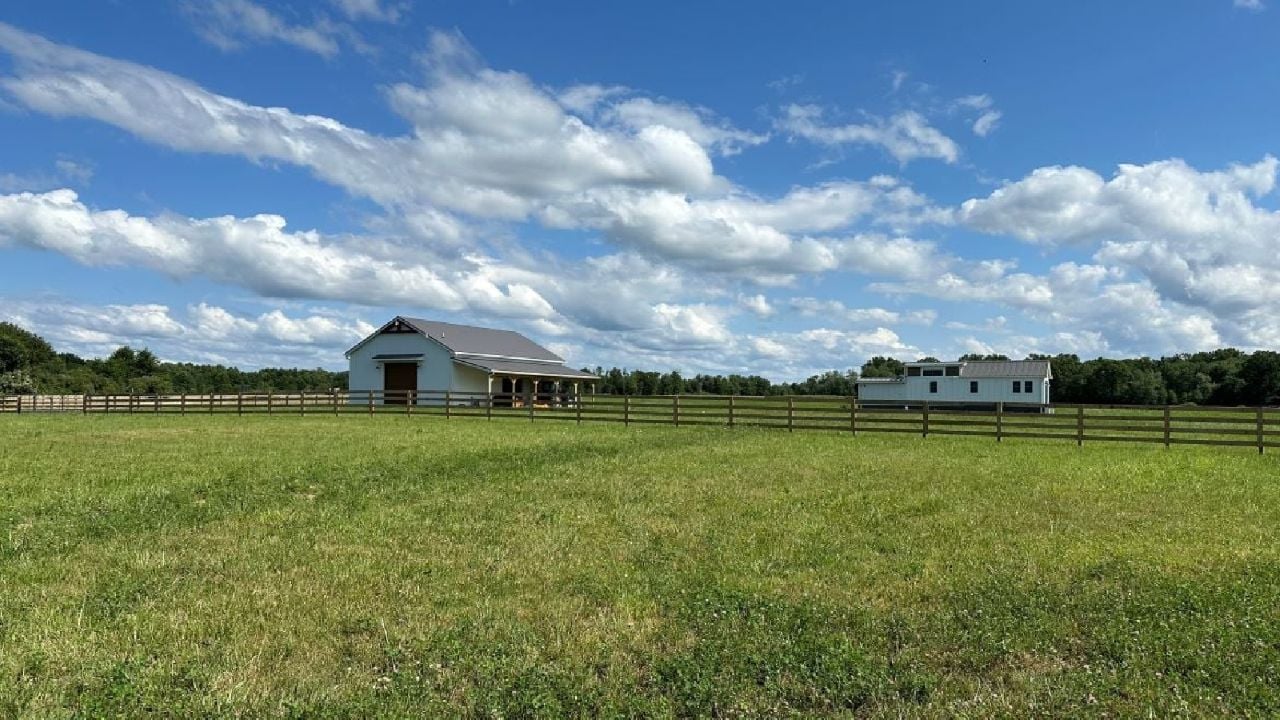
Since 1984, the Conservation Farm Family Awards program has recognized Ohio farm families for their exemplary efforts conserving soil, water, woodland, wildlife, and other natural resources.
Read MoreFarm Bureau is urging EPA to recognize the burden that this overreaching regulation places on farmers and ranchers, and keep the term 'navigable' in the Clean Water Act regulations.
This week, Ohio Farm Bureau submitted comments to the U.S. Environmental Protection Agency and the U.S. Army Corps of Engineers regarding the agencies’ proposed rewrite of the Waters of the U.S. rule (WOTUS). These changes would significantly expand the land mass regulated by the federal government and would lead to costly and complex permitting requirements that small businesses and farmers aren’t equipped to navigate.
“The definition of WOTUS is critically important to Ohio farmers,” Farm Bureau stated in the letter. “Growing crops and raising animals are water-dependent enterprises. For this reason, farming in Ohio occurs on lands where there is either plentiful rainfall or an adequate water supply available for crop irrigation and animal watering. Across the Ohio agricultural landscape, there are many features that are wet only when it rains and that may be located many miles from the nearest ‘navigable’ water. Ohio farmers regard these features as low spots on farm fields.”
The letter emphasized Ohio Farm Bureau and its members’ disappointment about the agencies’ proposed rule, and reminded how the current Navigable Waters Protection Rule (NWPR) was clearly protecting Ohio’s lakes, rivers and streams.
“It provides Ohio farmers clarity and predictability by establishing clear bright line definitions, clarified the level of government, federal or state, responsible for overseeing water features and dry land that is occasionally wet, excluded ditches and areas where water collects after rain events as well as defined and excluded prior converted cropland as jurisdictional wetlands. The agencies should keep the NWPR in place, rather than revert to definitions of WOTUS that test the limits of federal authority,” the letter said.
Additionally, the comments highlighted how Ohio farmers are taking proactive, voluntary steps to conserve resources and protect water resources by working with local Soil and Water Conservation Districts and NRCS to install conservation practices. The letter also pointed out how clean water regulations must continue to protect farmers’ ability to implement environmentally beneficial projects and conduct routine maintenance on their farms such as installing grass waterways and riparian buffers without the requirement to obtain a permit.
“Clarity and predictability are paramount,” the letter stated. “Farmers need a rule that draws clear lines of jurisdiction that they can understand without hiring consultants and lawyers. To ensure that law-abiding farmers and other landowners can understand and comply with the CWA, any definition of “waters of the United States” must provide clarity and certainty.”
There is still time to submit comments to the EPA and Army Corps of Engineers. The deadline is Feb 7. Learn more about the issue and how to send your comments.


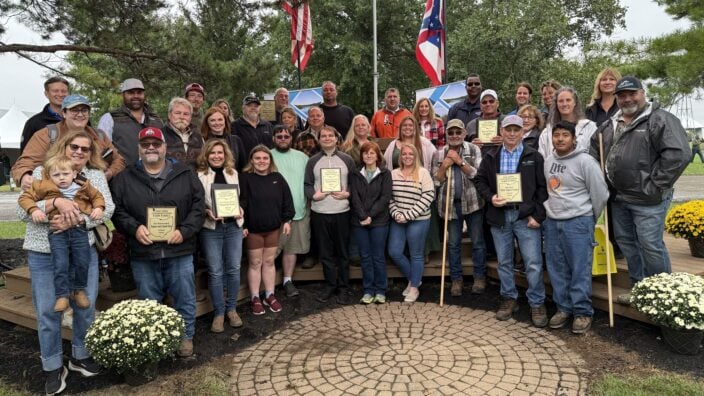
Since 1984, the Conservation Farm Family Awards program has recognized Ohio farm families for their exemplary efforts conserving soil, water, woodland, wildlife, and other natural resources.
Read More
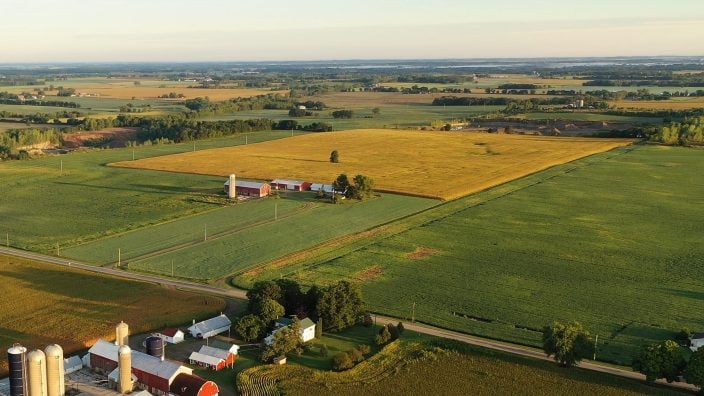
Conservation practices mean different things to different Farm Bureau members, but the invisible string tying all of them together is a commitment to being stewards of the land.
Read More
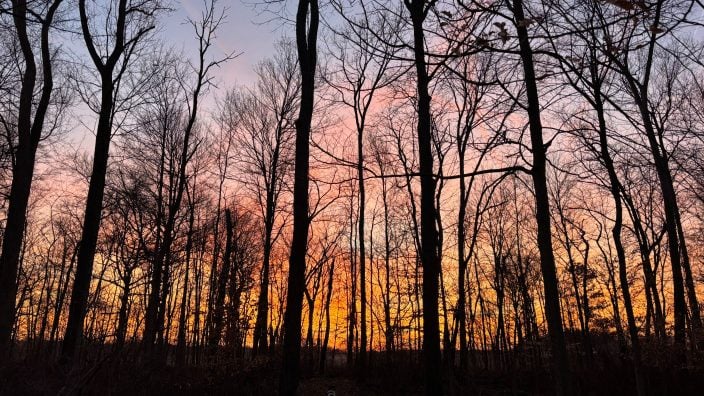
The woods have given me lessons, memories and perspective that reach far beyond hunting season. They have taught me patience, humility, gratitude and wonder. That, to me, is outdoor sportsmanship.
Read More
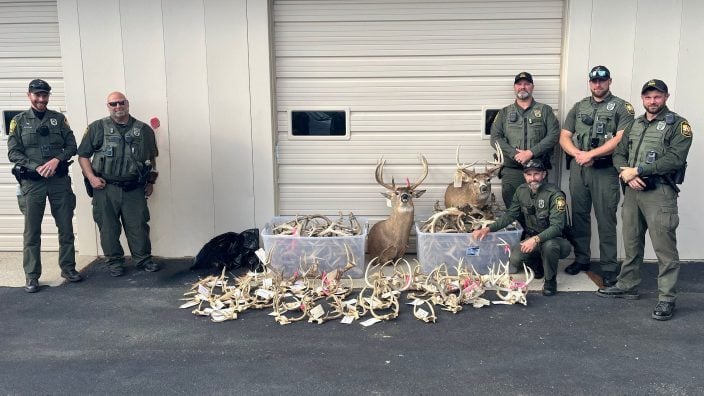
Programs like the youth contest and archery ranges teach the next generation that hunting and conservation are linked, while emphasizing safety and regulatory compliance.
Read More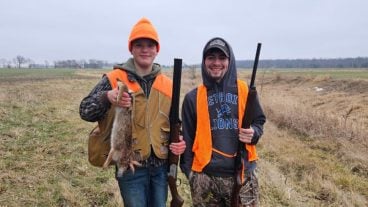
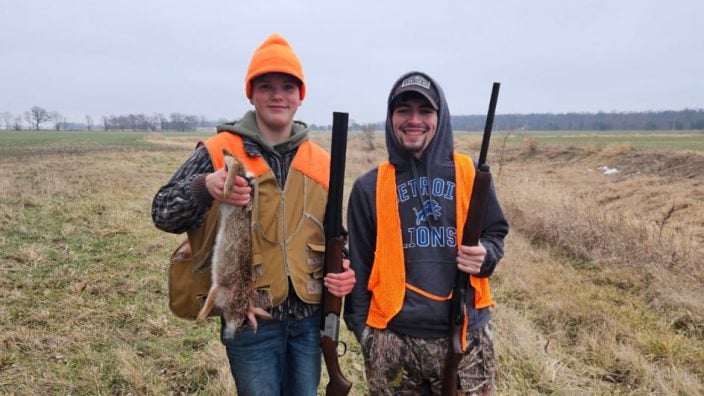
Vetting hunters who want to hunt on your land by inviting only Farm Bureau members can both help you know something about those hunting on your property and connect hunters to Farm Bureau membership.
Read More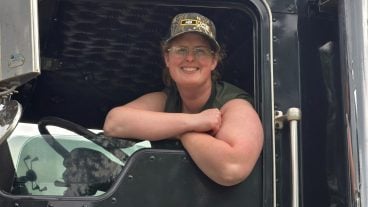
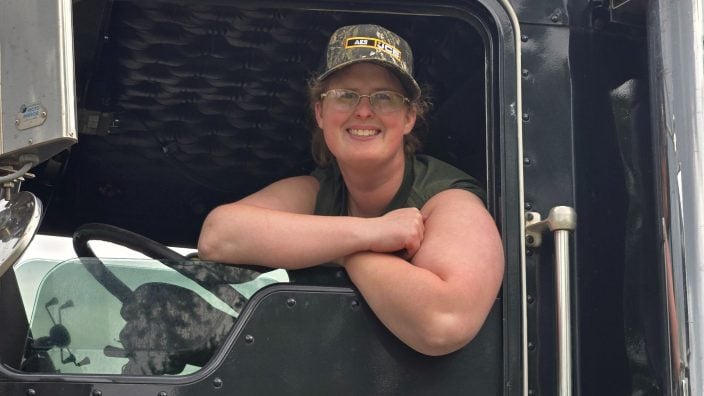
Armed with degrees in agriculture business and agronomy from Ohio State University, the Manure Gal honed her agricultural and business know-how through Ohio Farm Bureau’s AgriPOWER Institute.
Read More
The report provides insight into measurable progress in conservation practices and Ohio farmers’ continued commitment to water quality.
Read More
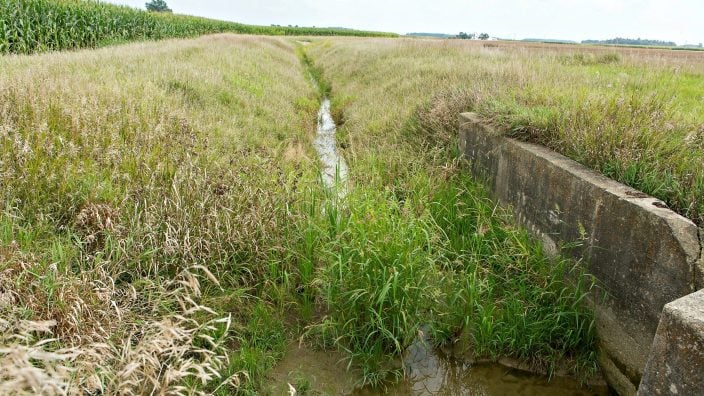
The report provides a data-driven look at conservation practices across the Western Lake Erie Basin and emphasizes farmers are doing their part in water quality.
Read More
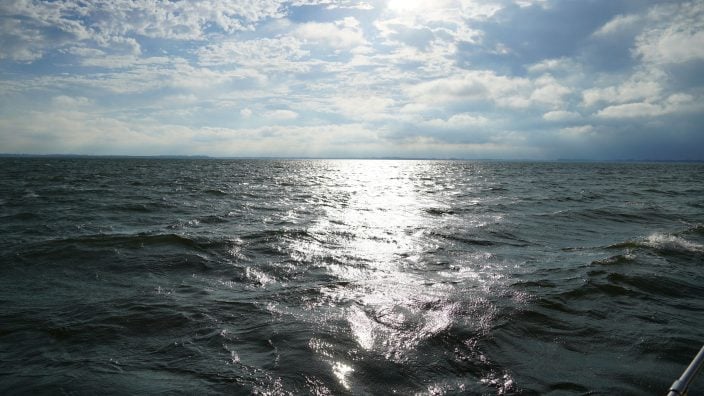
Ohio EPA has recently proposed allowing data centers to obtain ‘general’ National Pollutant Discharge Elimination System (NPDES) permits for their stormwater/wastewater discharges.
Read More
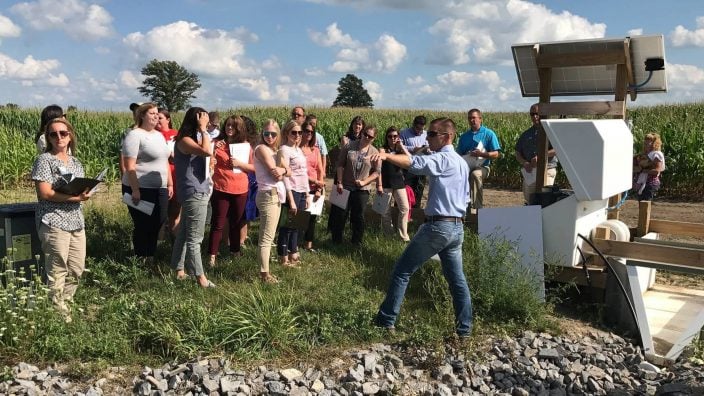
The network was established in fall 2015 on farms in Hardin and Hancock counties. Nearly 200 different tours and events took place on the three farms totaling nearly 4,000 visitors in its 10-year span.
Read More